
When Is the Best Time to Visit the Outer Banks?
This post may contain affiliate links, meaning Off the Eaten Path may receive commissions for purchases made through those links — at no cost to you. All opinions are our own. Please read our full disclosure for more information.



Whether you are looking for lively summer fun or a peaceful off season escape, Off the Eaten Path’s easy-to-follow seasonal guide will help you find the perfect time to plan your trip to North Carolina’s Outer Banks. Includes what to expect in each season, as well as guidance based on the type of vacation you’re planning.
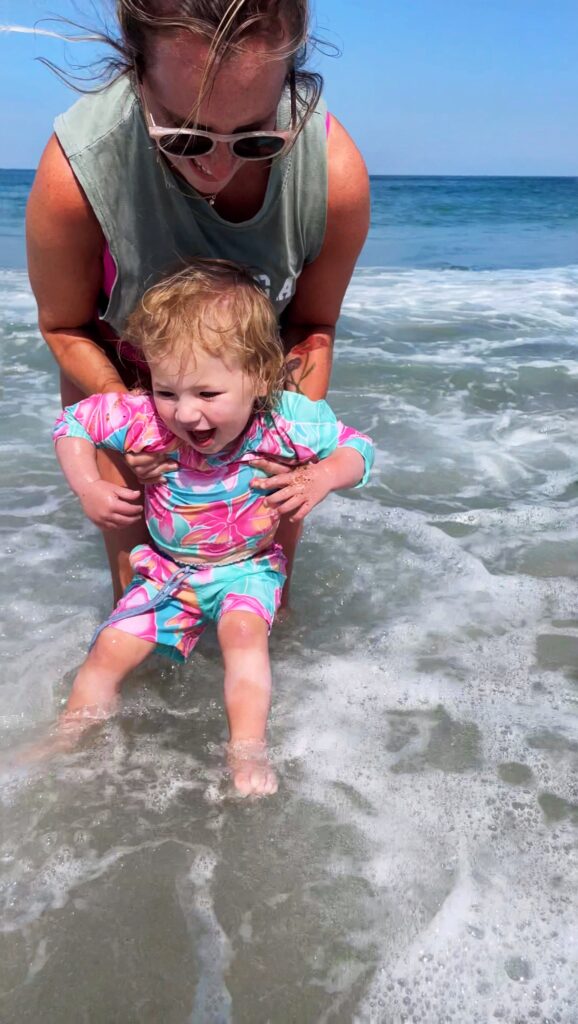
But one of the questions I get asked most often about my beloved Outer Banks: when should I actually go?
I’ve visited the Outer Banks across every season — spring trips with a toddler, summer weeks with the whole family, a fall wedding that got rerouted by a hurricane, and quiet winter weekends with my mom and kids where the beach was practically ours alone. And what I can tell you is that the OBX feels completely different depending on when you show up.
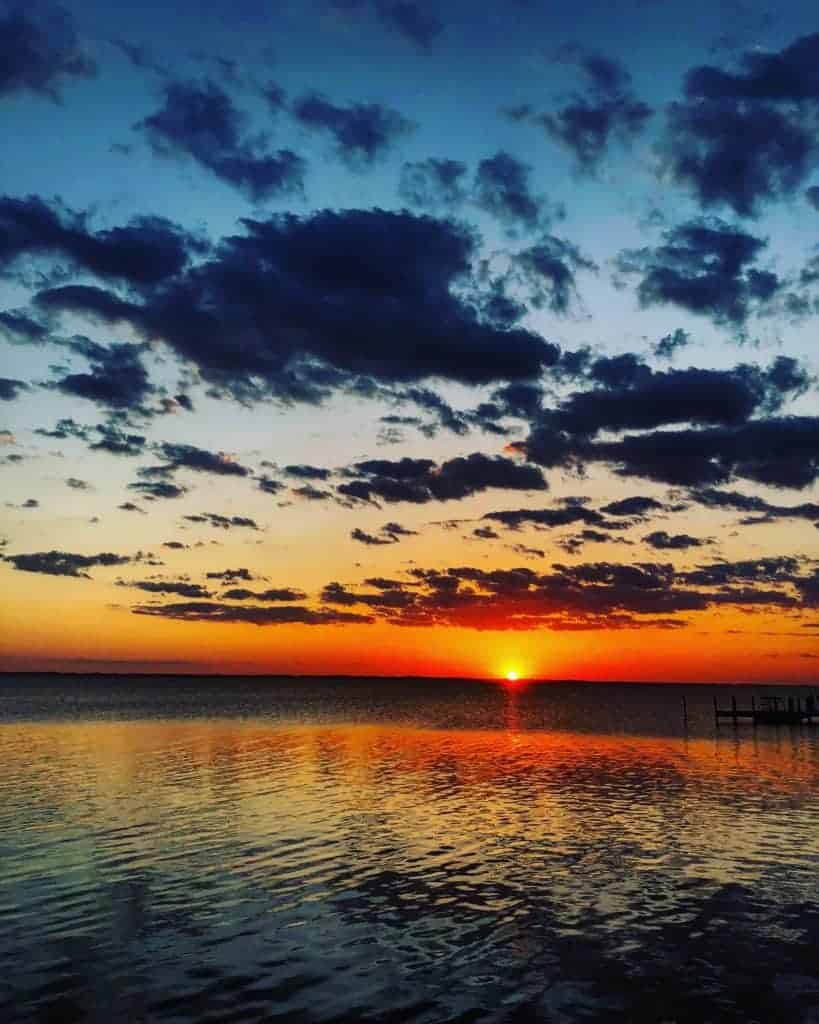
There is no “bad” time to visit. But there is a best time for your travel style.
Here’s what to expect, season by season.

Spring (March–May)
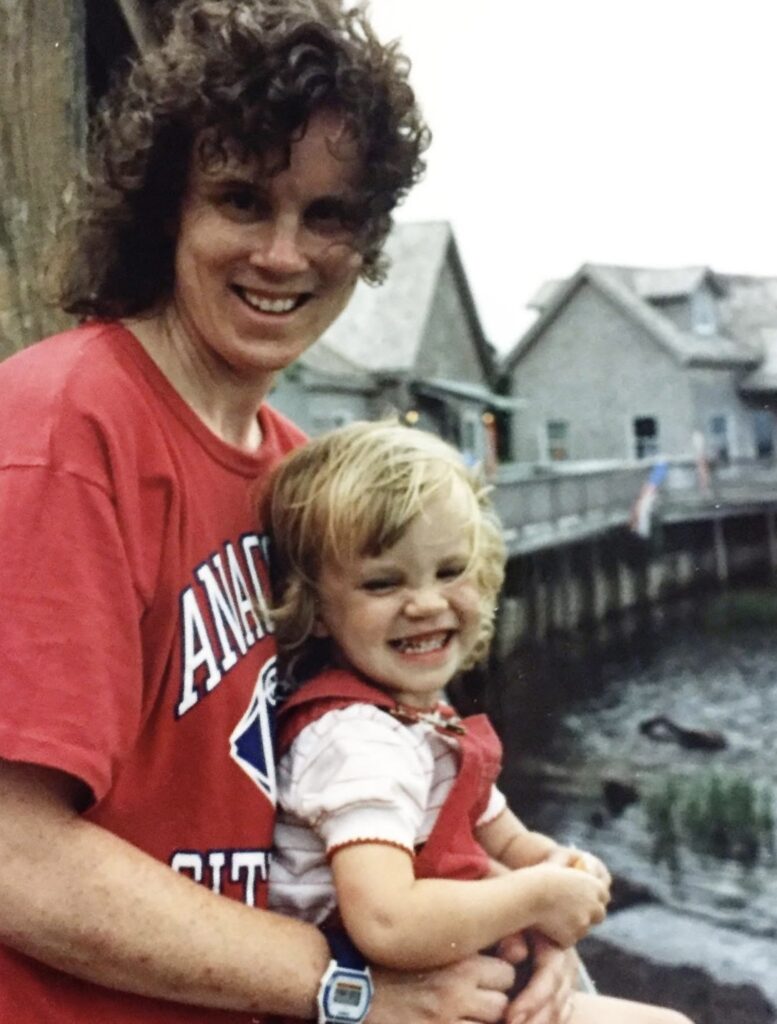
Spring is a lovely time to visit the Outer Banks (the sweet spot is late April and early May before Memorial Day).
Known as a shoulder season (loosely defined as the weeks outside of the busy June, July and August summer months), the shoulder seasons of Spring and FAll are an ideal time for young families, adventurous retirees, dedicated anglers and fishermen, and water sports lovers to visit the Outer Banks.
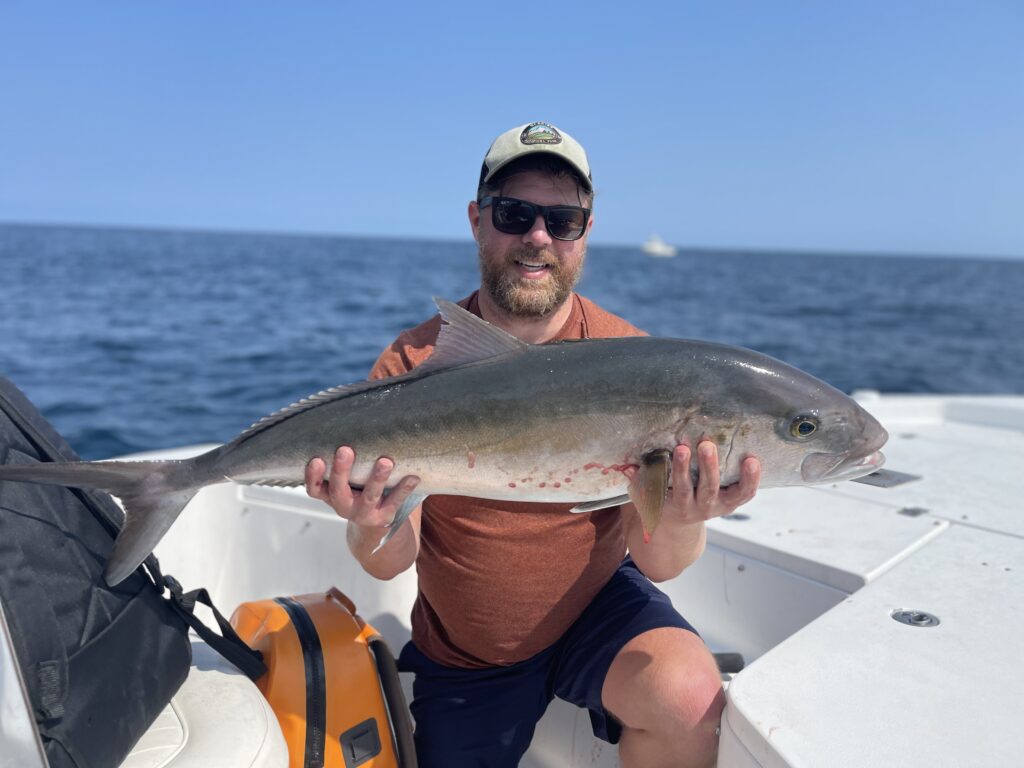
The crowds haven’t fully returned. Rental prices are lower, and many companies do not require a week long rental. Restaurants begin reopening after winter closures.
What to expect:
- Highs in the 60s–70s (with chillier evenings)
- Chilly water (not swim-ready until late May)
- Windy days (bring layers)
- Fewer crowds everywhere
Spring is ideal for:
- Couples trips
- Family trips with little kids who aren’t on a set school schedule (we went in late April when I was still on maternity leave and our son was 3 years old and it was a perfect family getaway)
- Lighthouse climbing
- Fishing
- Exploring Jockey’s Ridge without melting
- Walking wide-open, empty beaches
Don’t miss: The Hang Gliding Spectacular at Jockey’s Ridge State Park typically happens in May and is worth building a trip around — even if you’re just watching.
This is a wonderful time to stay in towns like Duck, Manteo, or Buxton (down in the Cape Hatteras National Seashore), where you’re focused more on scenery and less on pool time.
Heads up: Some restaurants and shops operate on limited hours until late April or May, so dining options may be more limited.
Summer (June–August)
Summer is peak season in the Outer Banks.
The water is warm. The days are long. The rental homes are full. It’s classic East Coast beach vacation energy.
What to expect:
- Highs in the 80s–90s
- Humidity
- Saturday traffic
- Fully open restaurants and attractions
- Higher rental prices
- Afternoon thunderstorms
This is the best season for:
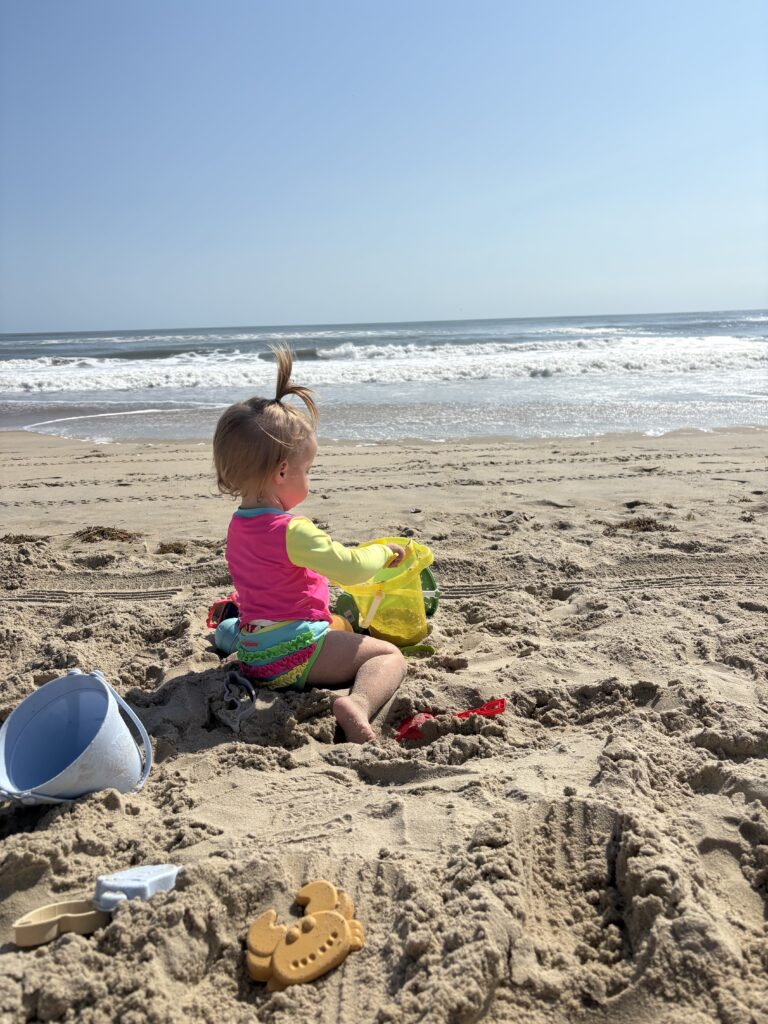
- Families with school aged kids
- Multi-generational beach weeks
- Pool + beach combos
- Watersports and boat rentals
- Surfing and fishing charters
- Marathon beach days
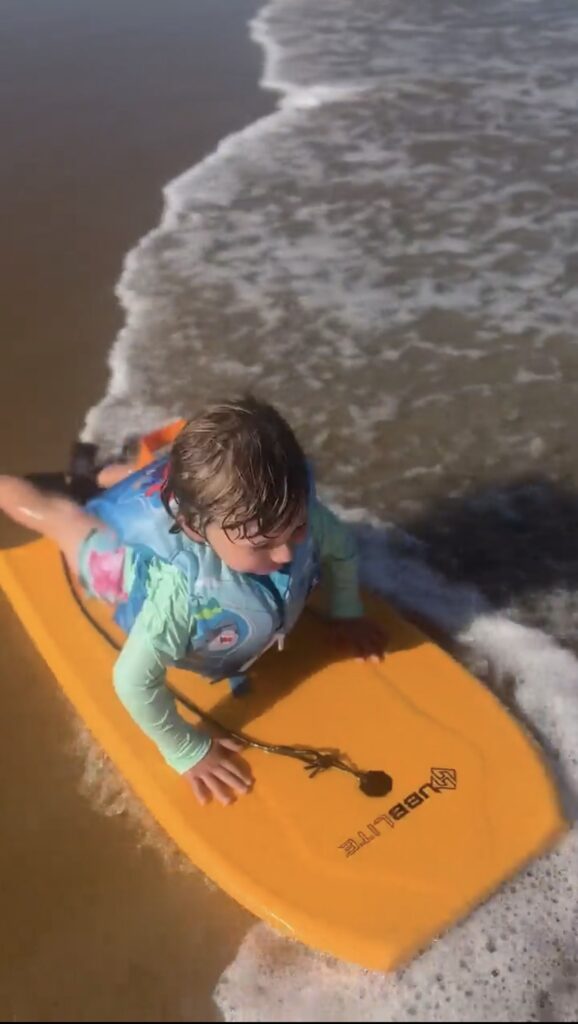
- Outdoor adventures and water activities like kayaking, kiteboarding, surfing, boogie boarding and more because of the warm ocean temperatures.
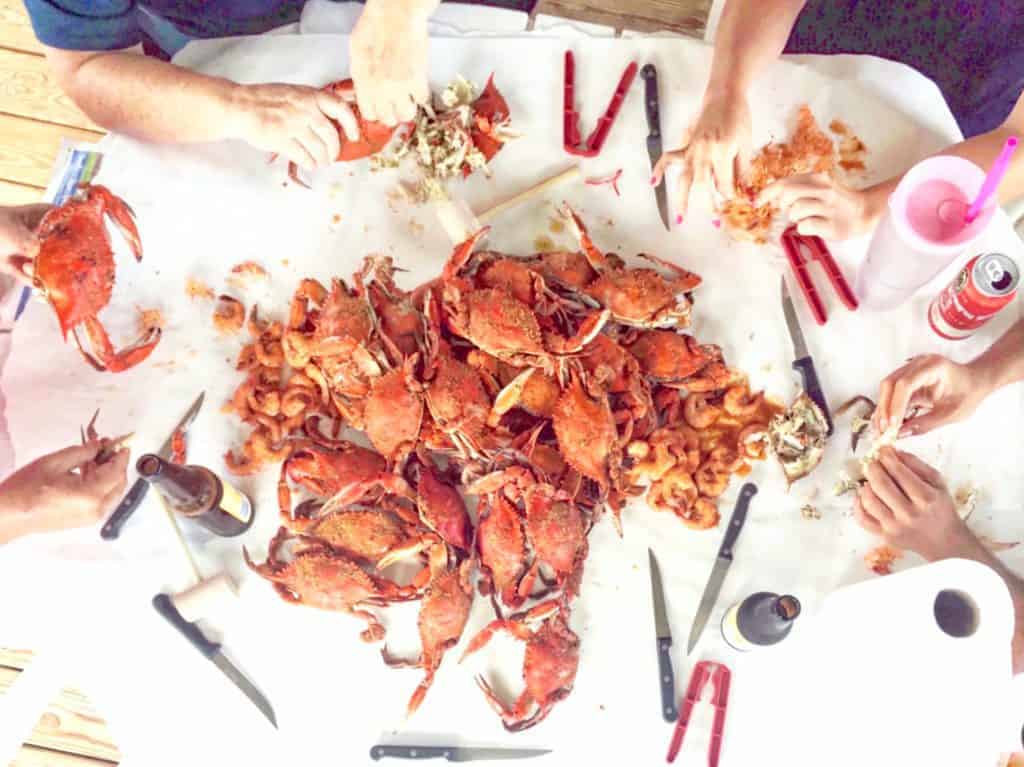
Don’t miss: The Lost Colony outdoor drama runs all summer at Fort Raleigh National Historic Site on Roanoke Island — it’s been performed since 1937 and is genuinely worth an evening. The Outer Banks Seafood Festival in Nags Head doesn’s typically happen until late October, but summer is when you’ll find the freshest local catches on every menu.
If you’re visiting in summer:
- Book your rental 6–9 months in advance (earlier for large homes).
- Make dinner reservations ahead of time in Corolla, Duck, Kitty Hawk, Kill Devil Hills and Nags Head.
- Arrive early on check-in day to avoid sitting in Highway 12 traffic (or opt for houses that have check ins on Fridays or Sundays)
Pro tip: If you want summer weather with fewer crowds, aim for late August or early September after many schools start back.
Fall (September–October)
If you ask longtime OBX visitors their favorite season, many will say fall.
The ocean is still warm from summer. The crowds thin. The air feels lighter.
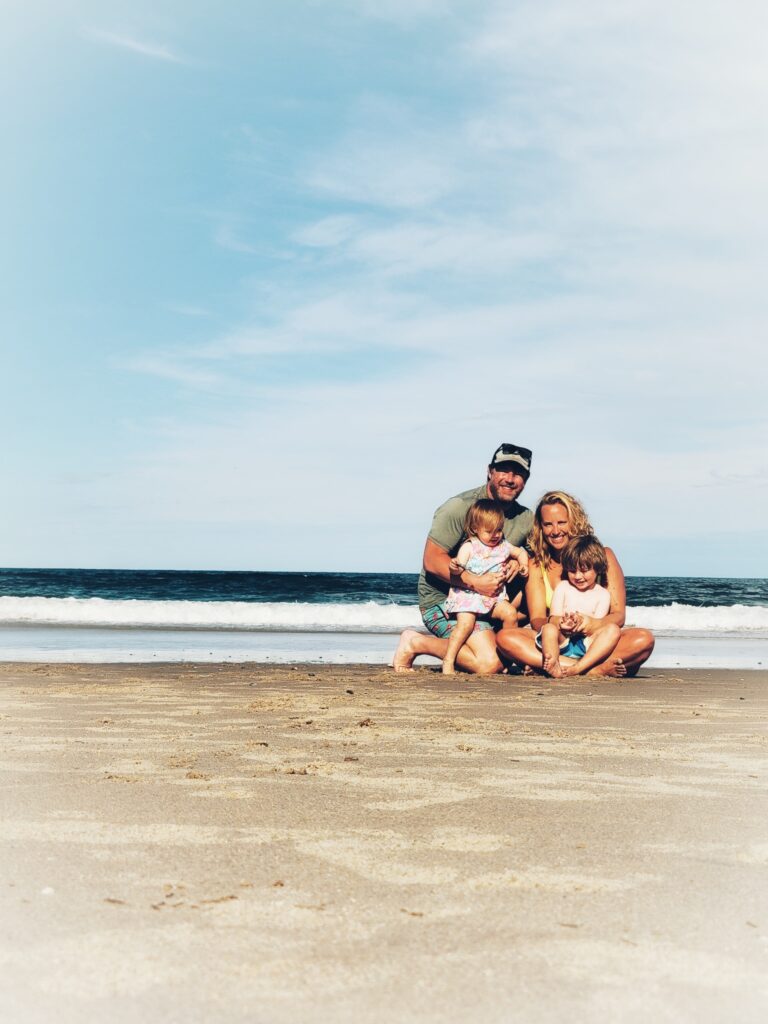
The one real drawback? Hurricane season.
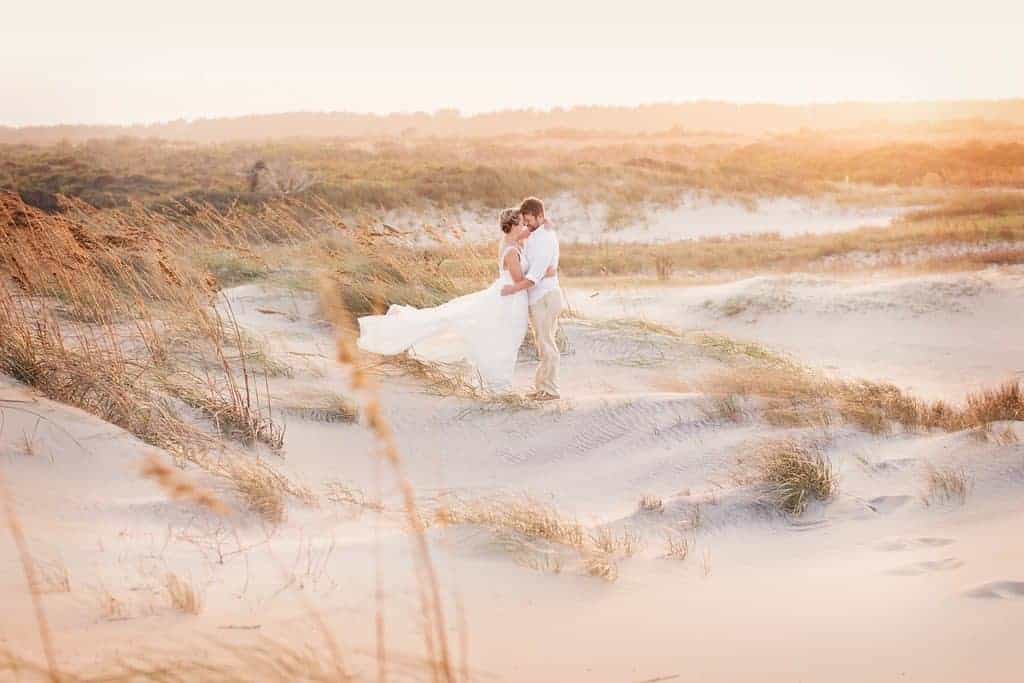
I say this from personal experience: we had to reschedule our wedding in Kitty Hawk three days before it happened because a hurricane was bearing down on the coast. October can be absolutely stunning on the Outer Banks — but it can also be unpredictable in a very serious way. Travel insurance isn’t optional this time of year, it’s essential.
What to expect:
- Mild temperatures: highs in the mid-70s to 80s
- Warm ocean through mid-October
- Smaller crowds
- Better rental rates
- Occasional hurricane season uncertainty
Fall months are a fantastic time for:
- A stay in Hatteras Island towns like Avon or Buxton
- A visit Ocracoke without peak-season ferry waits
- Acouples getaway
- Fishing on the local fishing piers
- Water sports
- Surfers
- Bike around Duck comfortably
Don’t miss: The Outer Banks Marathon in early November which takes runners over the bridge on the Croatan Sound from Roanoke Island to Nags Head and then south along the Cape Hatteras National Seashore.
Important: Keep an eye on tropical storm forecasts during hurricane season (June–November, with peak activity late summer into early fall). Travel insurance is smart this time of year.
Winter (November–February)
Hot take: winter at the beach is one of the best times to be at the beach.
It’s quiet. Moody. Wind-swept. Some would say magical.
But it’s not a traditional beach vacation.
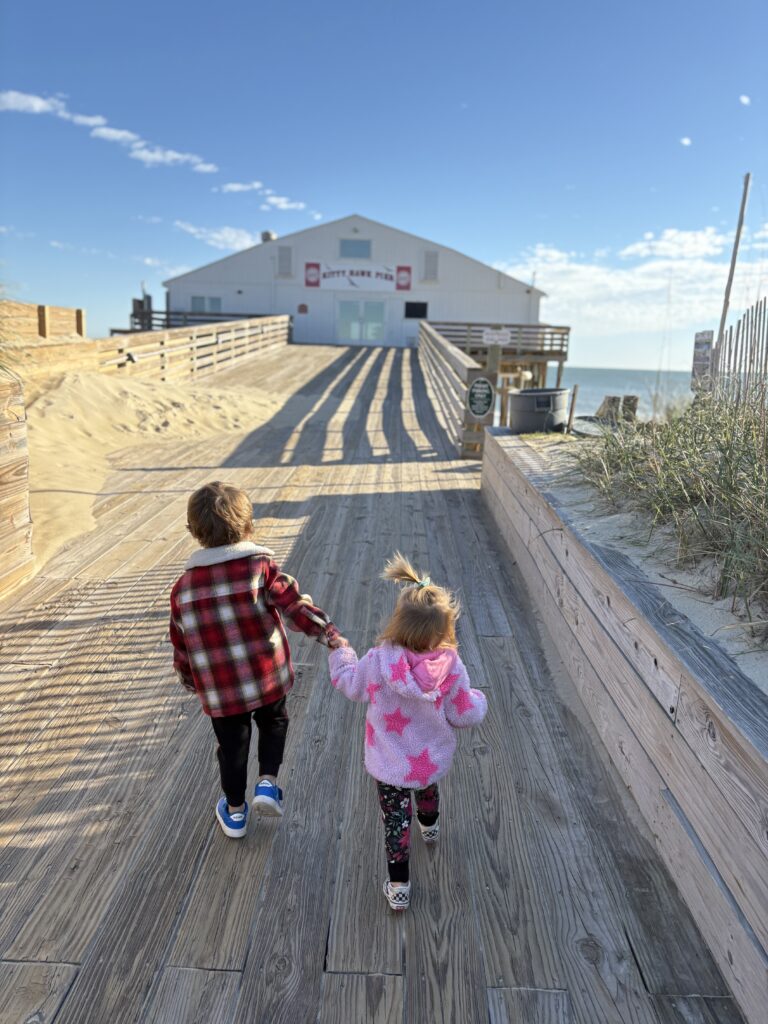
We’ve spent both a Thanksgiving and a Christmas at the Outer Banks, and there is something genuinely special about watching the ocean from a warm house while a fire is going. The kids can still run and play on the beach — I took my mom and the kids for a long weekend around Veterans Day not long ago and it was warm enough for them to be out in the sand for hours. You just aren’t swimming; but there’s lots of beach combing and shelling to do!
What to expect:
- Highs in the 40s to mid-50s
- Many restaurants closed or on limited schedules
- Minimal traffic
- Lower rental prices
- Stark, beautiful beaches
- Few local restaurants are open (as many are seasonal), creating limited dining options
Winter is ideal for:
- Writers’ retreats
- Couples who want solitude
- Families with little kids
- Long beach walks
- Off-season photography
- Storm watching
- Holiday getaways with extended family
Towns like Manteo, Duck, and Ocracoke feel especially peaceful in winter.
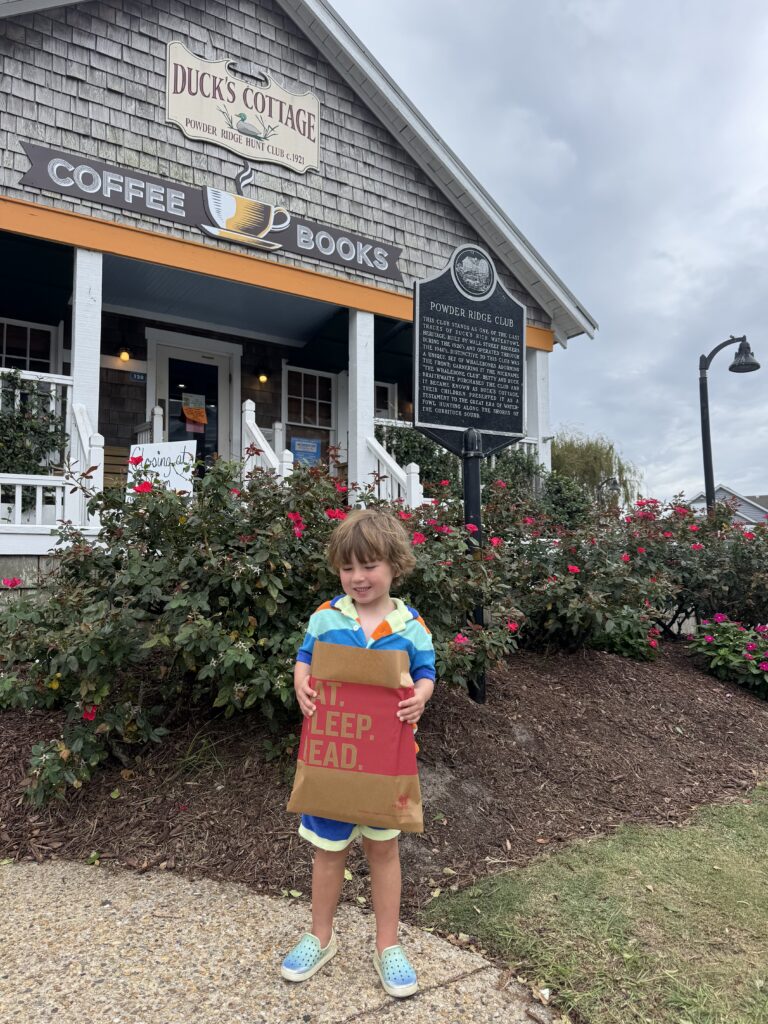
Manteo in particular has a charming small-town feel around the holidays that’s worth experiencing at least once.
If your idea of relaxation is reading on a covered porch while the wind moves through the dunes and waves crash on the beach — this is your season.
If your idea of relaxation is pool floats and beach bars — wait for summer.
Choosing Your Season Based on Your Travel Style
Traveling with toddlers?
The best time of year for you to visit the Outer Banks is early May or early September (the shoulder seasons) for calmer crowds and comfortable temps.
Traveling with extended family?
The best time of year for your getaway is summer for guaranteed open restaurants and warm ocean, or maybe getting the family together for a winter trip over school holiday break.
Planning a couples trip?
I would suggest going in early spring like April and May or September and October, when its not blazing hot and the crowds subside
Looking for a quiet escape?
Congrats! You’re a winter beach person and November through February is the time you should book for!

about chrissie
I’m Chrissie — a full-time public defender, food lover, North Carolina explorer, toddler wrangler, and lifelong cheese enthusiast. I love the beach, craft beer, Mexican food, and trashy reality TV. Catch me chasing my kids, laughing too loudly, sipping margaritas on a nearby patio, and telling my husband “just one more quick picture.” Learn more ➤