
The Best Outer Banks Beaches: A Comprehensive Guide
This post may contain affiliate links, meaning Off the Eaten Path may receive commissions for purchases made through those links — at no cost to you. All opinions are our own. Please read our full disclosure for more information.
Discover the best Outer Banks beaches for swimming, surfing, and relaxing. You’ll also learn which spots are best for a quiet beach visit and which are best for family vacations. There’s a beach for every kind of activity and vacation style in the OBX!
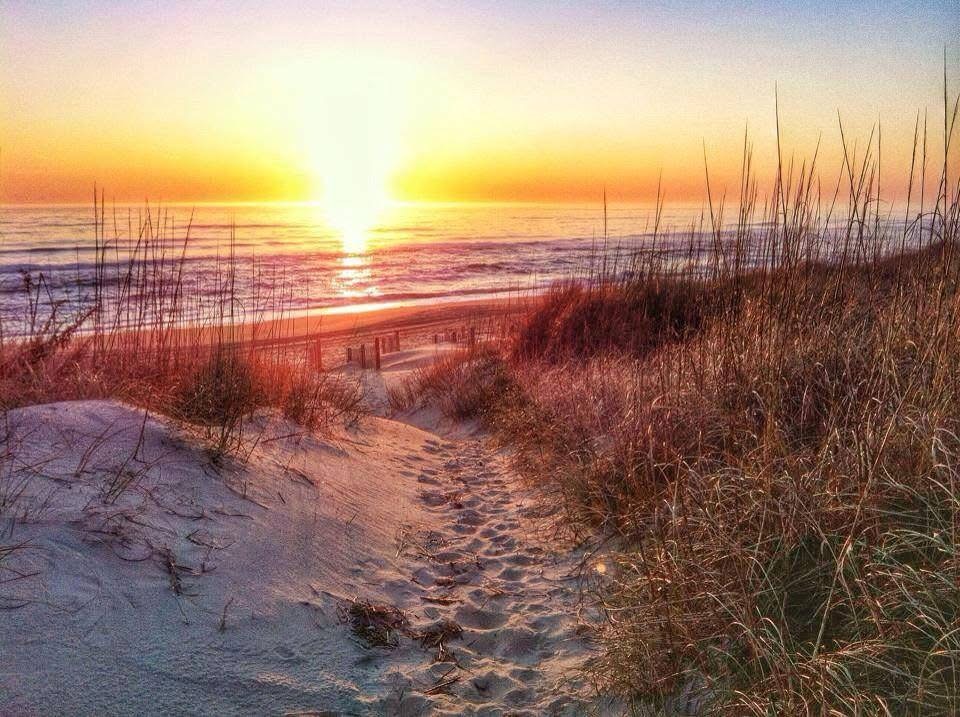
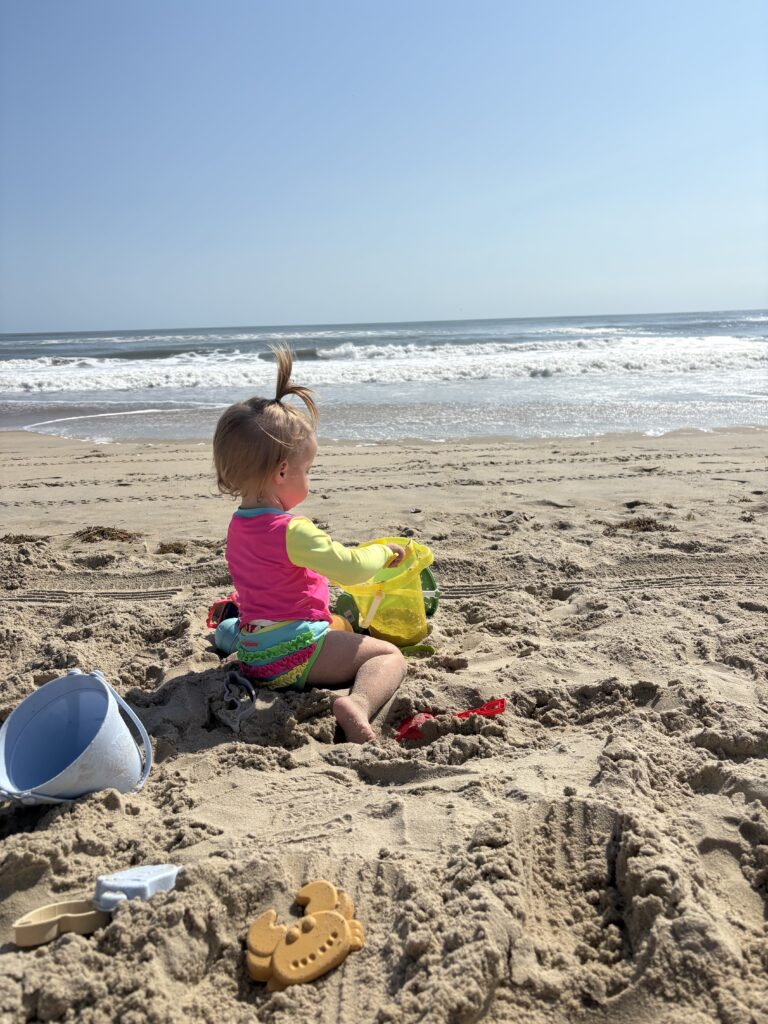
I grew up making the summer pilgrimage to Duck, NC with my family and cousins every year for family vacation. We’d go boogie boarding until our arms gave out. Enjoyed sandy sandwiches and cold sodas in the sun. Built sandcastles and hunted for seashells.
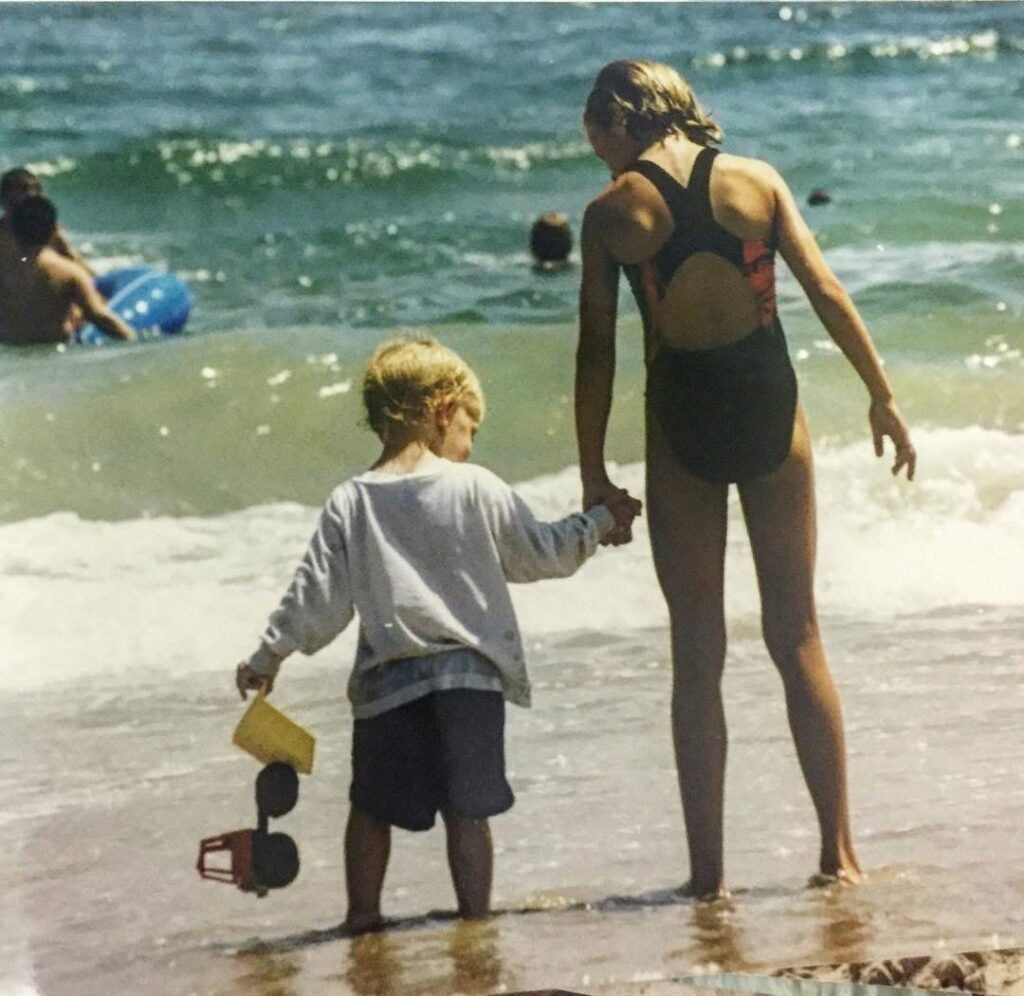
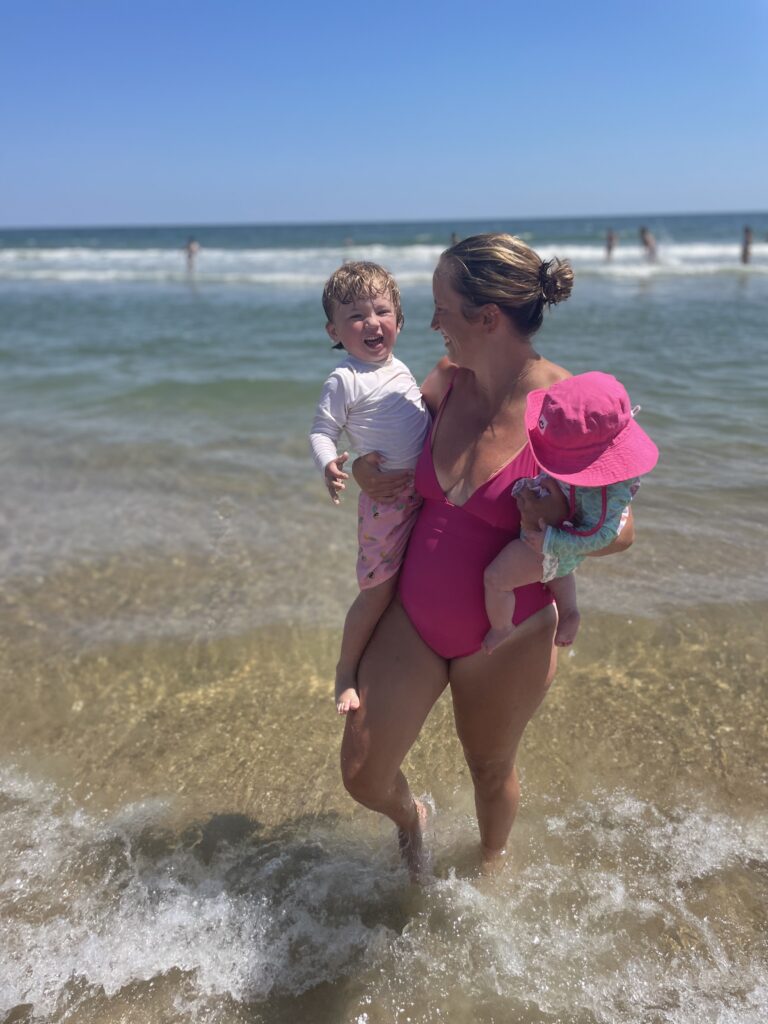
Now I’m doing it all over again with my own kids. I love watching them discover the same stretch of Outer Banks sand dunes and surf that I loved as a child.
Whether you’re an OBX first-timer trying to figure out where to plant your umbrella or a returning visitor looking to venture somewhere new, this guide breaks down the Outer Banks beaches by what they do best so you can find your perfect stretch of sand.
What make the Outer Banks special?
The Outer Banks is a narrow chain of barrier islands running along the North Carolina coast. It starts from the roadless beaches of Carova in the north near the Virginia state line all the way down to Ocracoke Island in the south.
The coastline itself totals nearly 200 miles if you include the barrier islands south of Ocracoke, which includes Cape Lookout National Seashore, known as the Crystal Coast or the Southern Outer Banks.
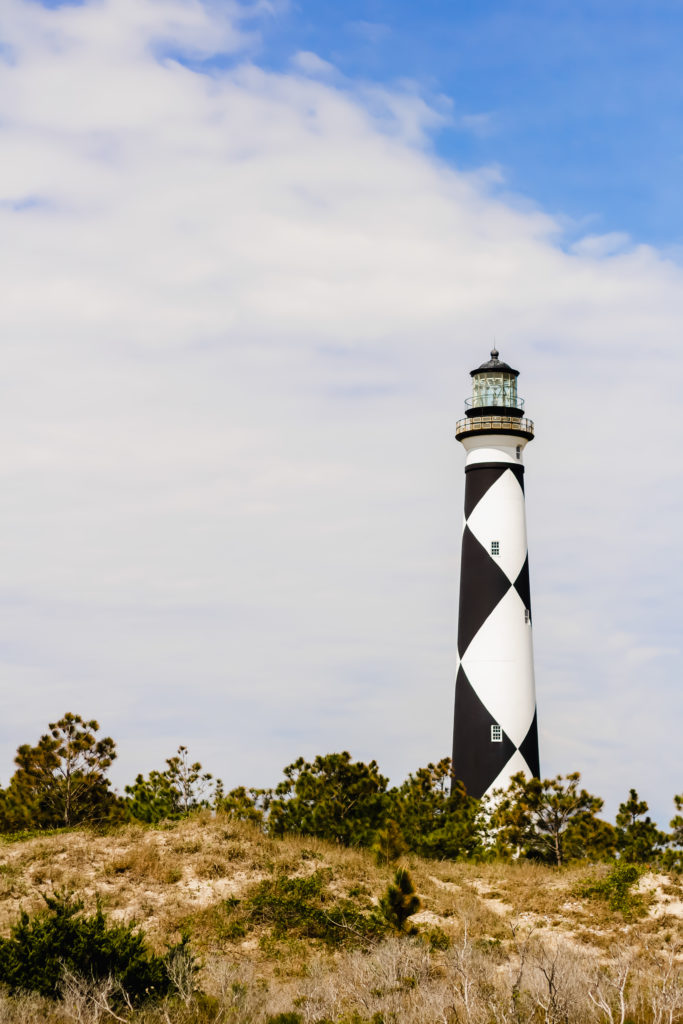
The Outer Banks towns are home to all sorts of historical sites and attractions:
- The Wright Brothers National Memorial marks the historic first flight in Kitty Hawk.
- Jockey’s Ridge State Park is home to the tallest sand dunes on the East Coast.
- Roanoke Island marks the site of England’s first attempted settlement (and one of history’s greatest unsolved mysteries).
- Ocracoke Island was the stomping ground and ultimate demise of Blackbeard, one of history’s most notorious pirates. (who was killed in a battle with the Royal Navy off its shores in 1718).
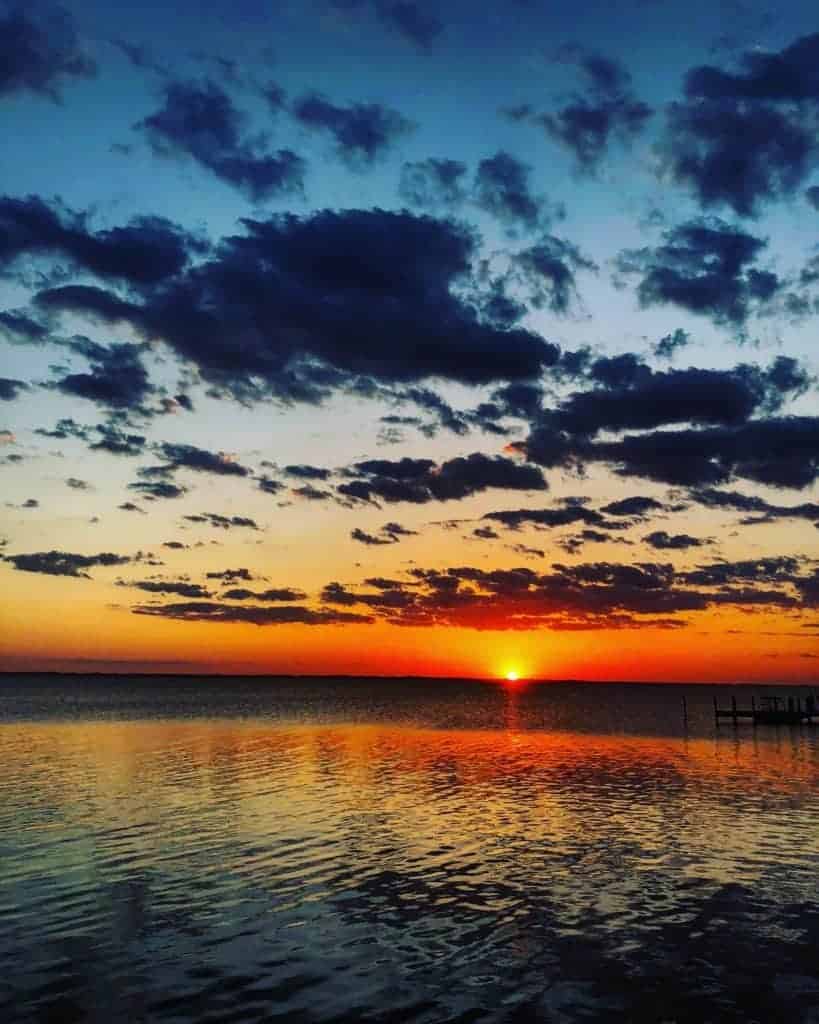
But beyond the history, these barrier islands are known for the sand, surf and laid-back atmosphere.
What makes the Outer Banks unlike almost any of the other beach destinations near Charlotte is the sheer variety packed into that ribbon of sand.
The incredible variety of Outer Banks restaurants and beach shops dot family-friendly towns. Remote beaches showcase natural beauty where you might not see another person for a mile. Surf breaks draw wave-chasers from across the country.
And that’s only the start. Let’s break down which beaches are best for the type of vacation you want to enjoy.

Best Beaches for Families
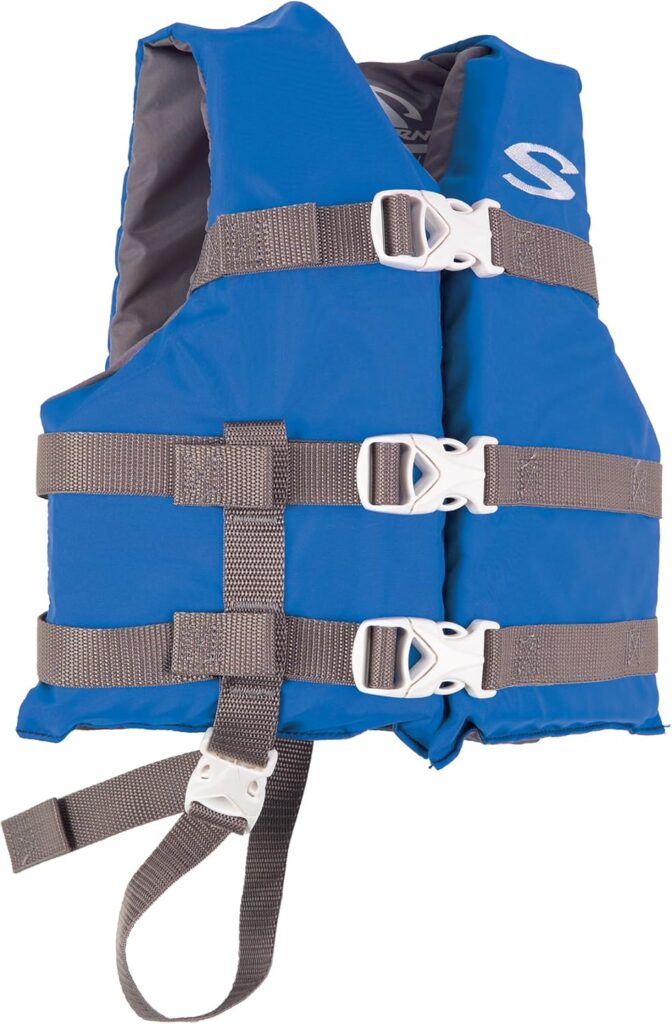
TL;DR: Check out Kill Devil Hills, Nags Head, and Kitty Hawk for their beach safety infrastructure, many restrooms, and easy beach access. Duck, Corolla, and Southern Shores also offer lifeguarded beaches while being quieter than the Outer Banks center.
Are Outer Banks beaches safe for kids?
The Outer Banks is genuinely great for kids at the beach.
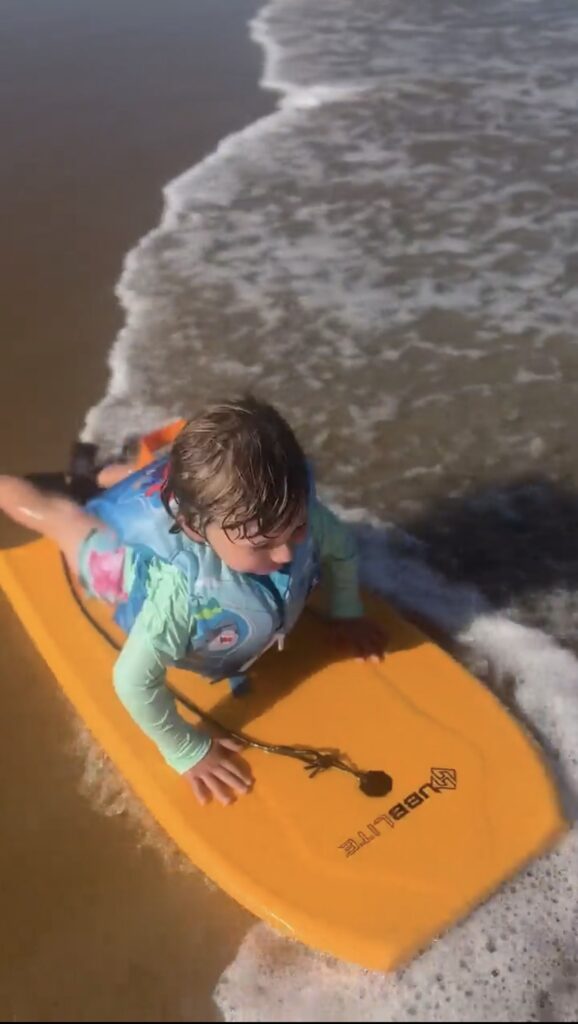
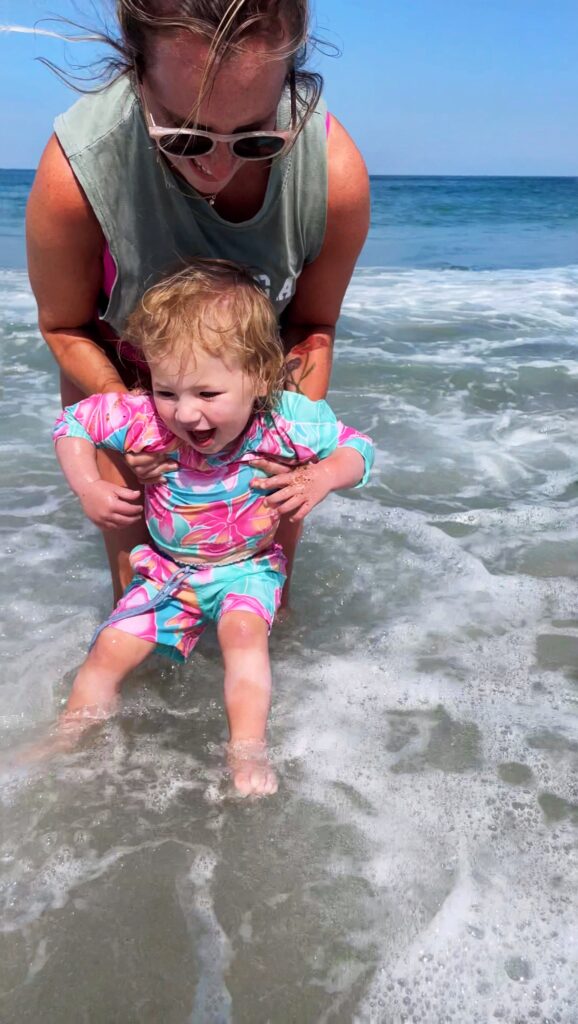
The waves can be manageable enough for boogie boarding, even at a young age. My own kids are just getting into it as toddlers, the same way I did.
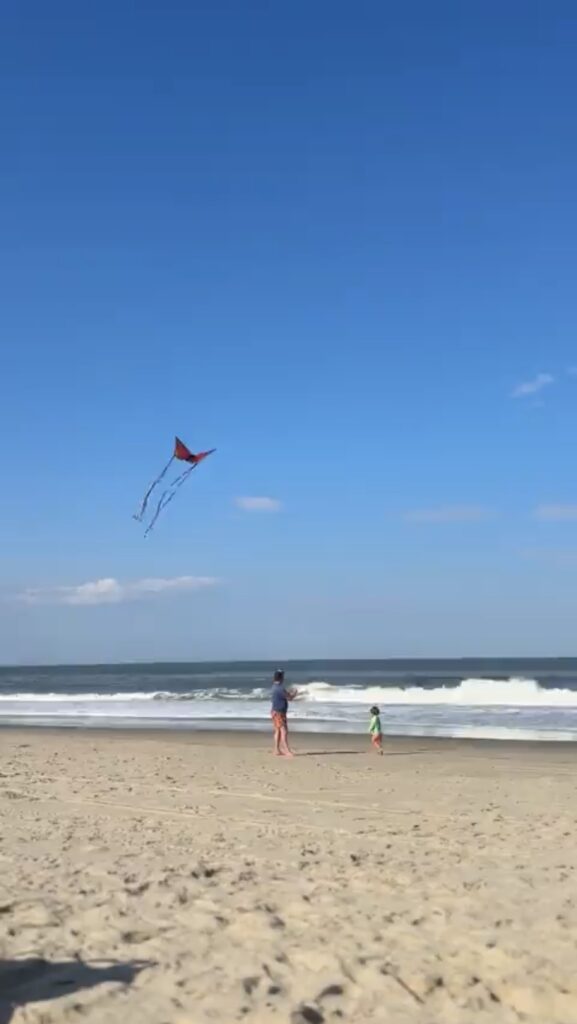
Outside of the water, the wide, flat stretches of sand are perfect for kite flying. The Outer Banks is famously windy, which is either a blessing or a curse depending on your relationship with sand in your face, but for kite flyers it’s absolutely ideal.
One practical note: The Outer Banks has seasonal lifeguards (typically only staffed between Memorial Day and Labor Day). If you’re visiting in the off-season, the beaches are still beautiful. Just know that rip current flags may not be flying either, so it’s worth brushing up on how to spot and respond to rip currents before you go.
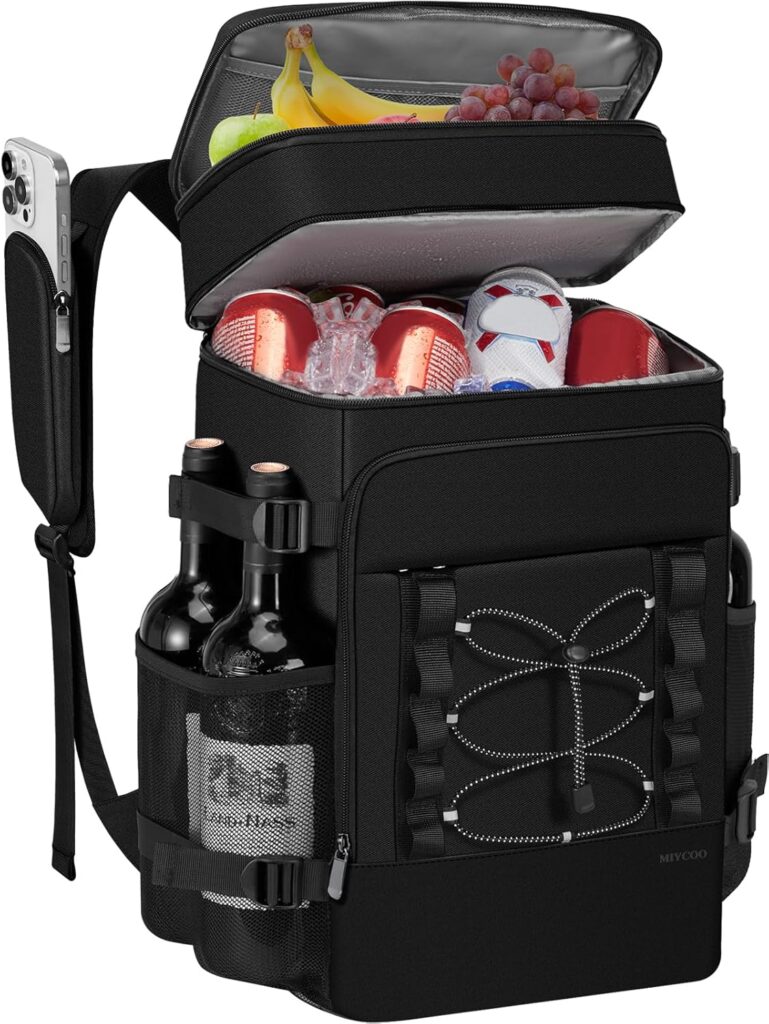
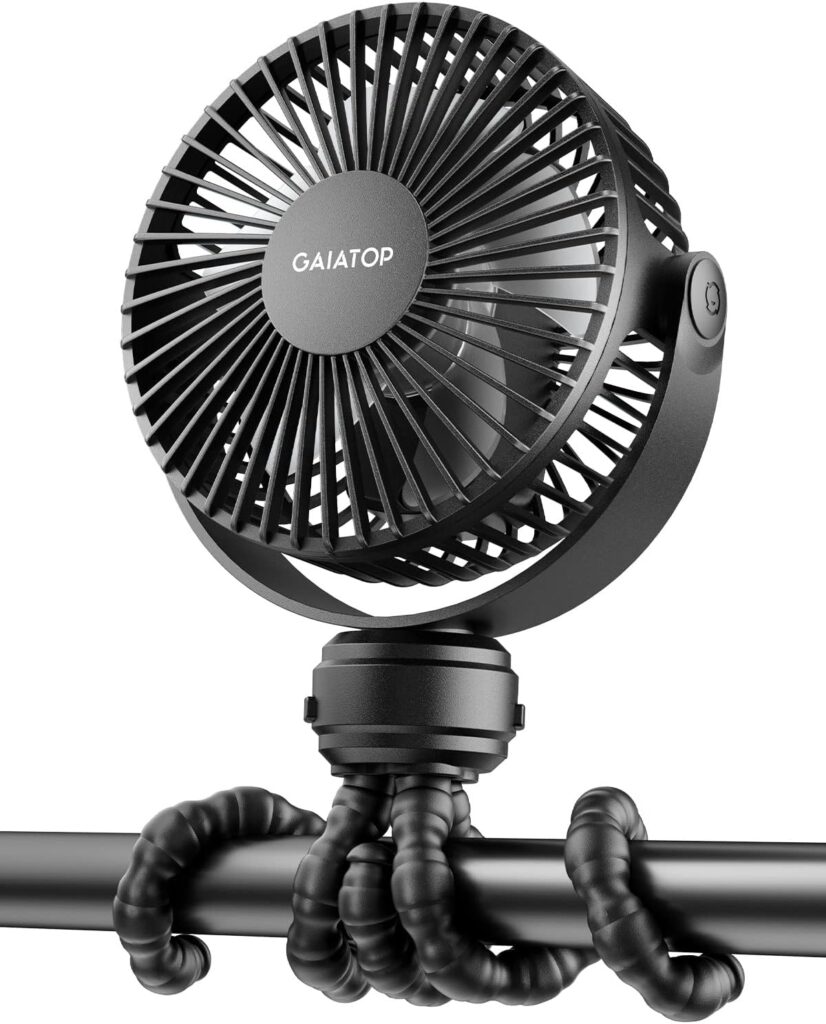
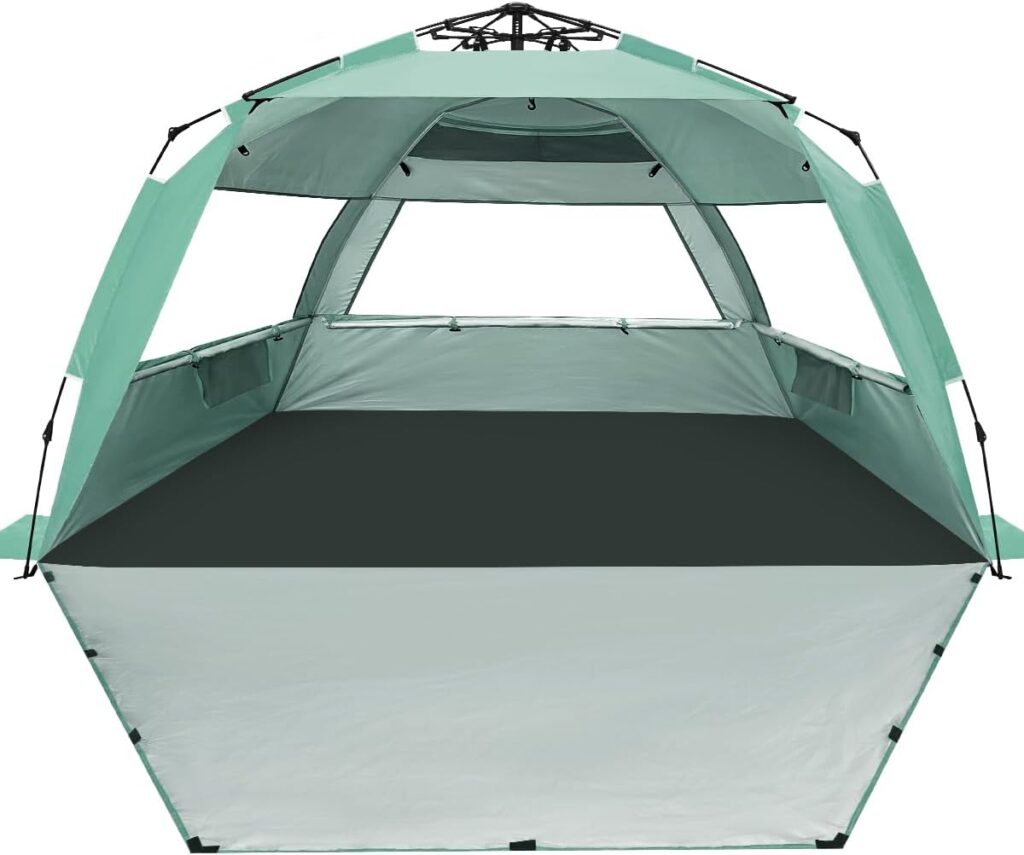
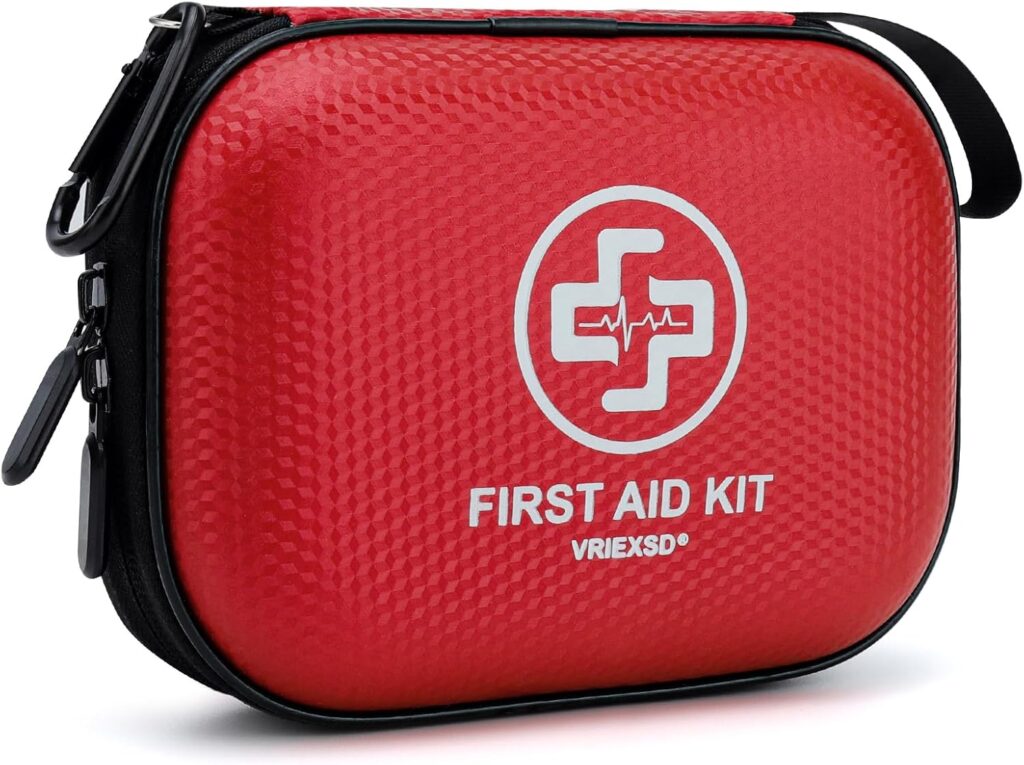
Make sure to check out my family beach vacation packing list so you don’t forget anything when prepping for your trip!
Which beach towns to choose for a family vacation
For families with kids, the central Outer Banks towns of Kill Devil Hills, Nags Head, and Kitty Hawk are hard to beat.
These areas have the most infrastructure — lifeguard stands dotting the beach from Memorial Day through Labor Day, a red flag warning system for rip currents, restrooms, and easy, public beach access — which makes a day at the beach feel a lot more manageable when you’ve got little ones in tow. The beaches here are wide and welcoming. And there’s no shortage of surf shops along the Bypass where you can rent boogie boards, buy sand toys or a souvenir from your trip.
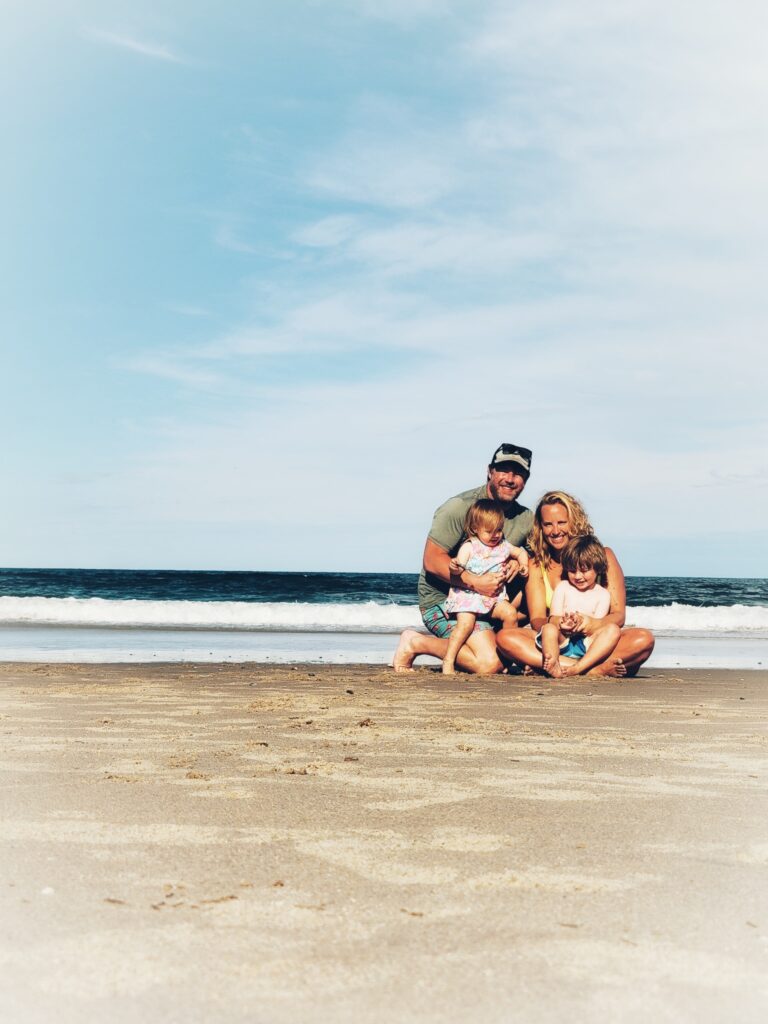
Further north, Duck, Corolla, and Southern Shores also have lifeguarded beaches at their major community areas. These tend to feel a little quieter than the central OBX stretch, which is what keeps our family coming back to Duck year after year. There’s something about the pace up there that still feels like my childhood summers.
Best Public Beach Access
TL;DR: Kitty Hawk and Kill Devil Hills have the best easy beach access with lots of parking. Nags Head, Hatteras Island, and Ocracoke also offer a lot of public access. Skip Duck if you want public beaches—it only offers private beach access.
Best choice
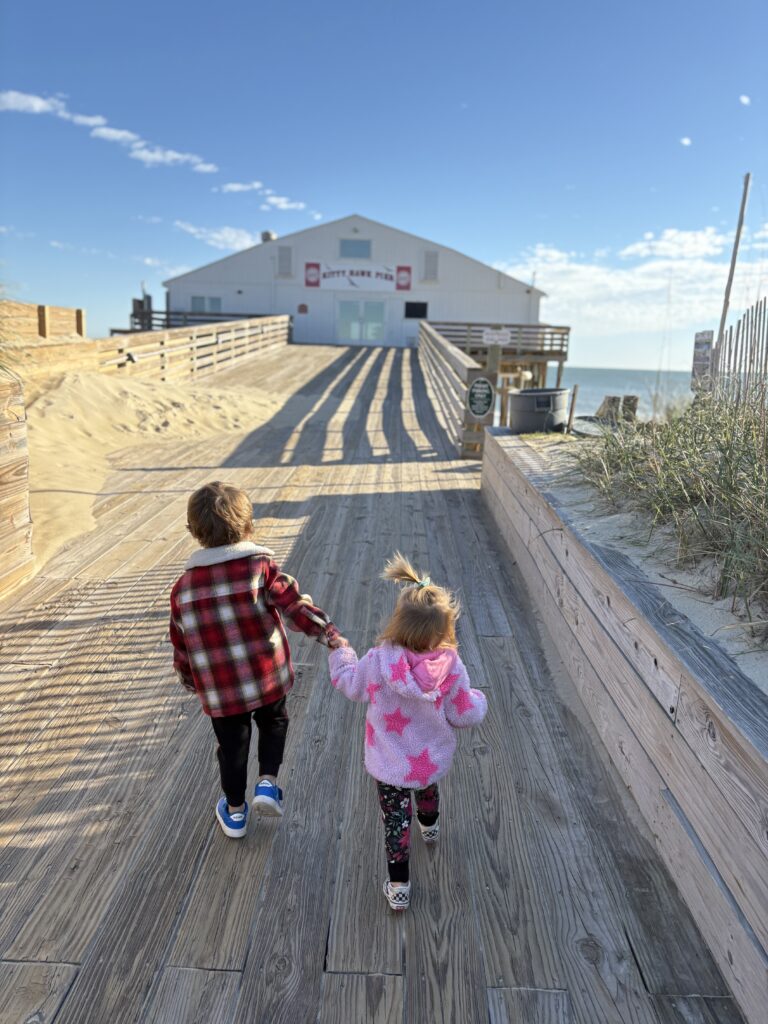
Kitty Hawk and Kill Devil Hills are your best bets for straightforward, easy access to the beach. Both towns maintain public beach access points with parking lots along the beach road.
This makes them a great option if you’re day-tripping or staying somewhere without direct beach access. We’ve used these plenty of times — just arrive early in peak season to snag a spot.
Other good options
Nags Head also has numerous public access points, ranging from small walkovers to larger lots with restrooms and rinse stations.
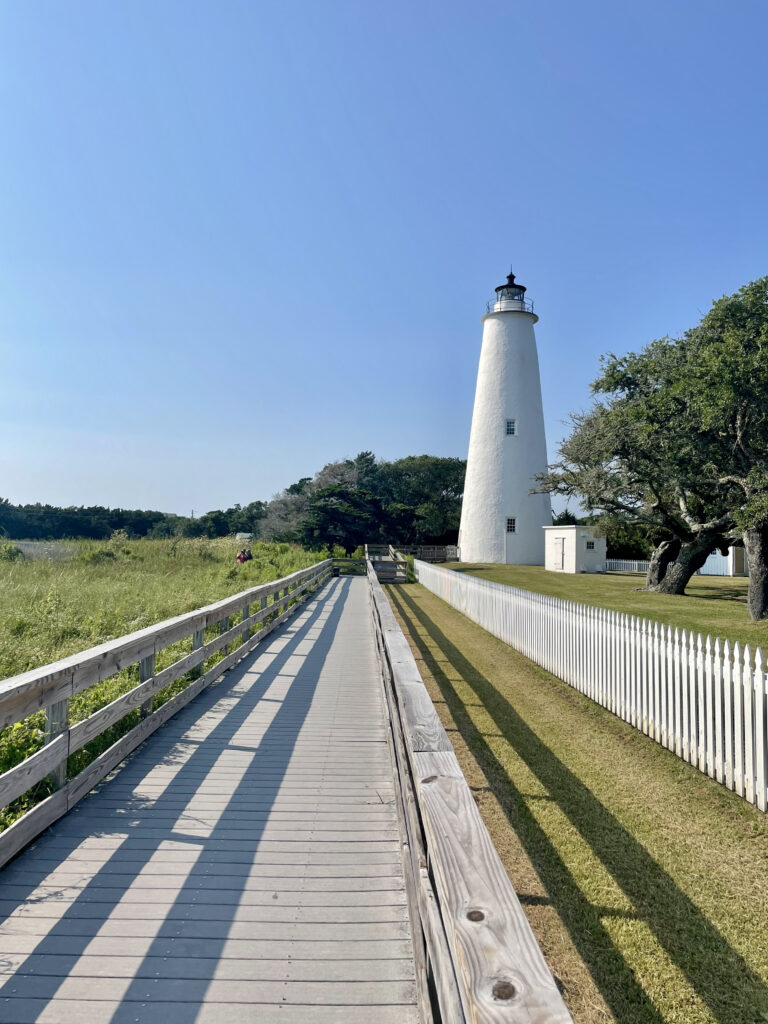
Further south into the Cape Hatteras National Seashore — covering much of Hatteras Island and all of Ocracoke — the beaches are essentially open public land managed by the National Park Service. Down there, access is rarely the issue. Finding other people is harder than finding the beach.
Limited or no public access
In the Northern Outer Banks, Corolla is primarily rental-home territory, so you can only find public beach access and parking in a few key spots.
North of Corolla you get to Carova, which is only accessible by four-wheel drive on the beach itself, putting it in a category of its own.
Despite being one of the most popular and beloved towns on the OBX, Duck has no public beach access. The beaches there are only accessible to guests staying in rental home properties with direct beach access by neighborhood. You can’t simply park on a street in Duck and walk down to the beach.
If you’re planning a trip to Duck, just make sure your accommodation includes beach access.
Best Beaches for Solitude
One of the things that sets the Outer Banks apart from almost every other beach destination on the East Coast is how easy it is to find space. Even in peak summer, you’re rarely fighting for a patch of sand. But if true solitude is what you’re after, a few areas stand out.
cape hatteras national seashore
The Cape Hatteras National Seashore offers the least crowded beaches in the Outer Banks. Stretching across most of Hatteras Island and all of Ocracoke, this is federally protected land with over 70 miles of undeveloped shoreline.
The beaches here are wide, wild, and largely empty. And getting to them is as simple as pulling off NC Highway 12 and walking through the dunes. No crowds, no amenities, no noise except the waves.
This is where I’ve spent some of my favorite beach days, reading a book with nothing but open ocean in front of me and a cooler in the sand beside me.
At the southern tip of Hatteras Island, the village of Hatteras sits at the edge of Hatteras Inlet, where the island gives way to open water and the pace slows down considerably. The beaches around the inlet are quiet and unhurried. The area has a working-fishing-village feel that’s distinct from the more vacation-oriented towns further north. It’s also where you catch the free ferry to Ocracoke.
ocracoke
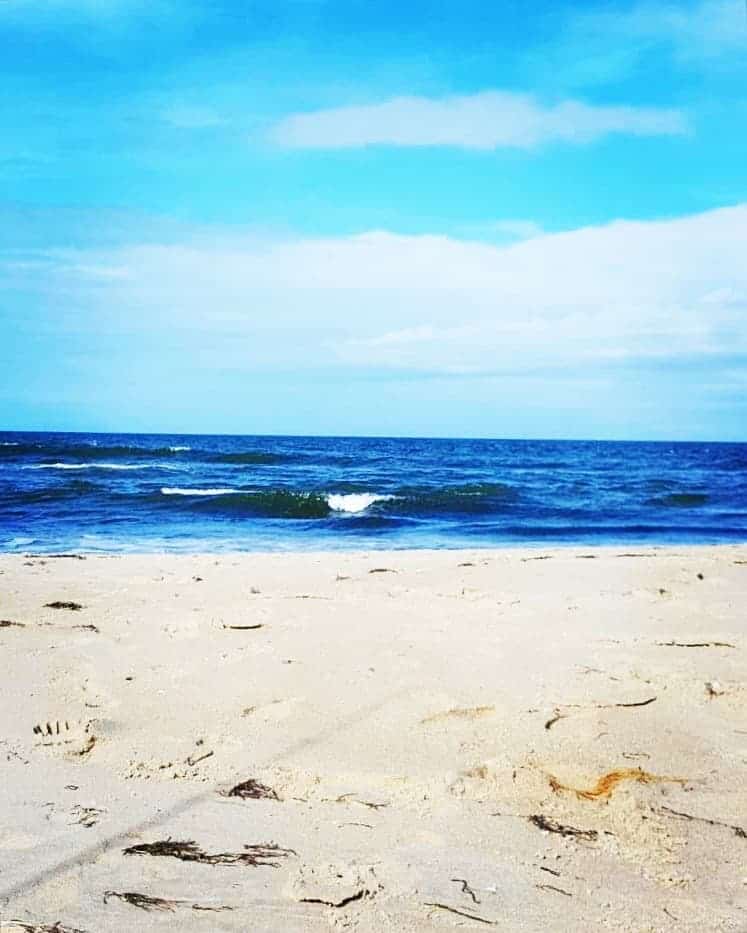
Ocracoke deserves its own mention for its quiet beaches.
Getting to Ocracoke requires a ferry, which is part of what keeps it feeling removed from the rest of the world. My husband and I spent the night there one summer and started our morning with a beach picnic — just us, the sand, and the kind of quiet that’s hard to find anywhere else. If you’re willing to make the trip, it’s worth every minute of the ferry ride.
OREGON INLET
South Nags Head down towards Oregon Inlet is another good option for solitude-seekers who want to stay closer to central OBX. It sits just south of the main Nags Head drag. It’s separated enough from the action to feel peaceful, but still close to restaurants, shops, and everything else you might need.
The great beaches there are uncrowded and unhurried — a nice middle ground if full-on remote isn’t quite what you’re after.
Carova
And then there’s Carova, at the very northern end of the Outer Banks past the end of the paved road. Getting there requires a four-wheel drive vehicle on the beach, which naturally filters out a good portion of the crowd.
Best Drive-On Beaches
One of the more unique experiences the Outer Banks offers is the ability to actually drive on the beach. If you have access to a four-wheel drive vehicle, it’s worth doing at least once.
carova
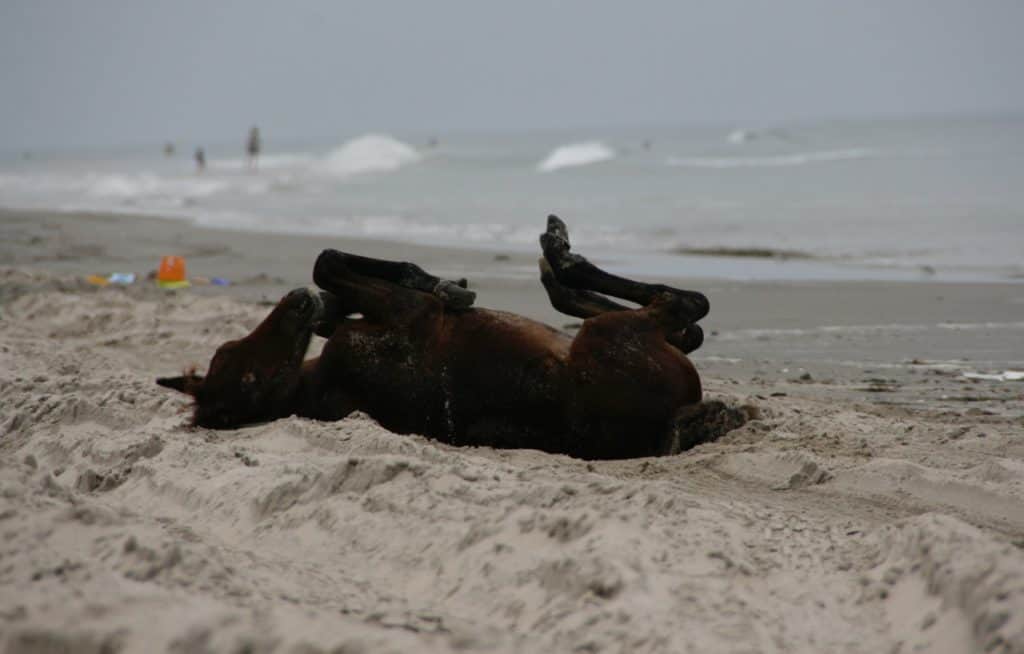
The most popular reason to make the drive to Carova is the wild horses.
North of Corolla, the paved road ends and the beach becomes the road. From there, you drive north along the sand to reach Carova, where a herd of feral Colonial Spanish Mustangs roams freely.
We’ve done this with our kids, and it’s one of those experiences that stops you in your tracks. Rounding a bend on the beach and finding a group of horses grazing in the dunes, completely unbothered by your presence is breathtaking. There’s nothing quite like it.
Just make sure your tires are properly deflated before you hit the sand. Most local shops can help with this and there are public air pumps in Corolla Park. And know what you’re doing before you go. (Getting stuck on a remote beach is not a fun situation.)
cape hatteras national seashore
Further south, much of Hatteras Island within the Cape Hatteras National Seashore also allows four-wheel-drive beach access at designated points. This is how a lot of serious surf fishermen get to their spots, hauling gear down the beach to find the right stretch of sand.
Even if fishing isn’t your thing, driving out to a remote section of Hatteras beach and spending the day there with no one around is a pretty special way to experience the Outer Banks.
Cape Point in Buxton is one of the most sought-after drive-on destinations on the island, though it’s occasionally closed by the National Park Service seasonally, so check before you go.
Some practical notes:
- You’ll need a valid off-road vehicle permit for National Seashore areas, which you can get through the National Park Service. As of June 2026, a 10-day permit costs $50 and an annual permit runs $120.
- Regardless of where you’re driving on the beach, lower your tire pressure, stay below the high tide line, and keep an eye on the tides so you’re not caught off guard.
Best Beaches for Surfing
The Outer Banks has a well-earned reputation as one of the better surf destinations on the East Coast. Whether you’re an experienced surfer or a beginner looking to take a lesson, there’s a spot for you!
kitty hawk and nags head
Kitty Hawk and Nags Head are the most accessible entry points. There are plenty of local surf shops along the Bypass offering rentals and lessons.
The waves here are consistent and manageable, and it’s common to find clusters of surfers in the water near the area’s piers — close enough to benefit from the wave action the structures create, but not so close as to cause problems. If you’re new to surfing or bringing older kids who want to try it, this is where I’d start.
hatteras island
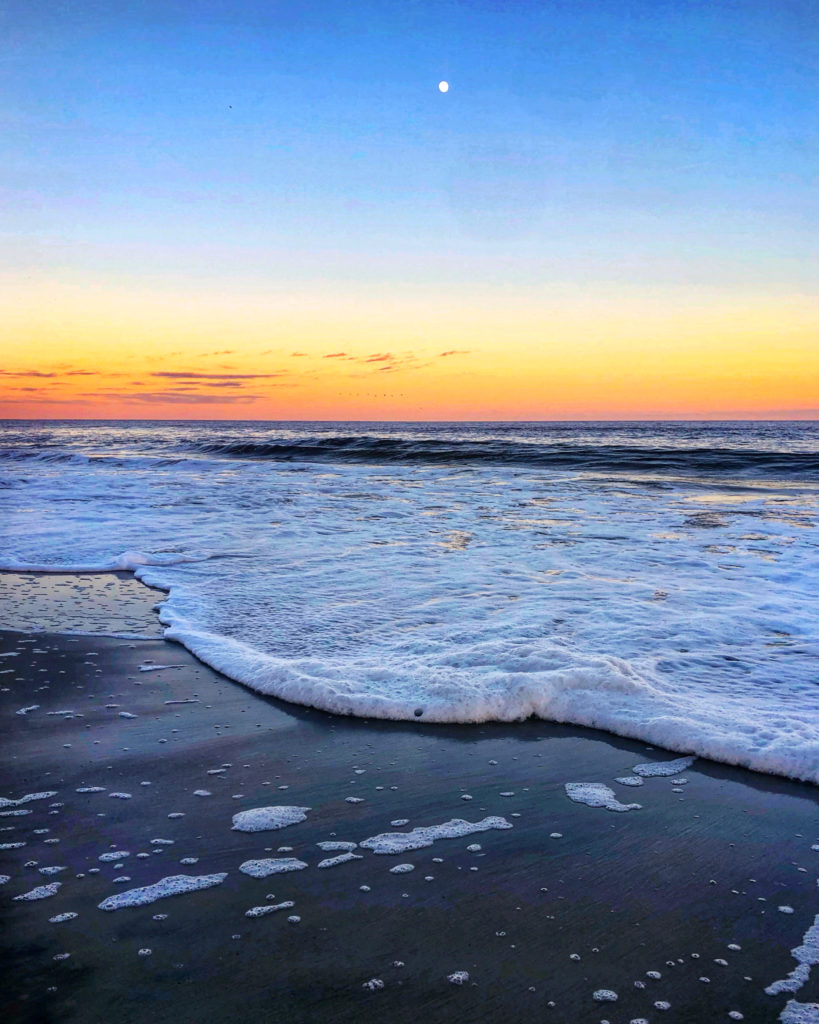
Further south on Hatteras Island, the surf gets more serious. The S-Curves, just north of Rodanthe, are something of a local legend.
This is a stretch of beach where the waves are consistently good and where surfers have been coming for years. It has that feel of a spot that the locals know and love and are willing to share, as long as you show up with the right attitude.
Buxton is another hotbed of surfing activity, particularly around the old lighthouse location. The currents and sandbars in this area create good waves.
Note that the waves shift constantly — so rather than trying to identify the perfect spot ahead of time, locals suggest just following the cars with surf racks on the roof. Wherever they’ve pulled over, that’s probably where the waves are good that day.
Best Beaches for Fishing
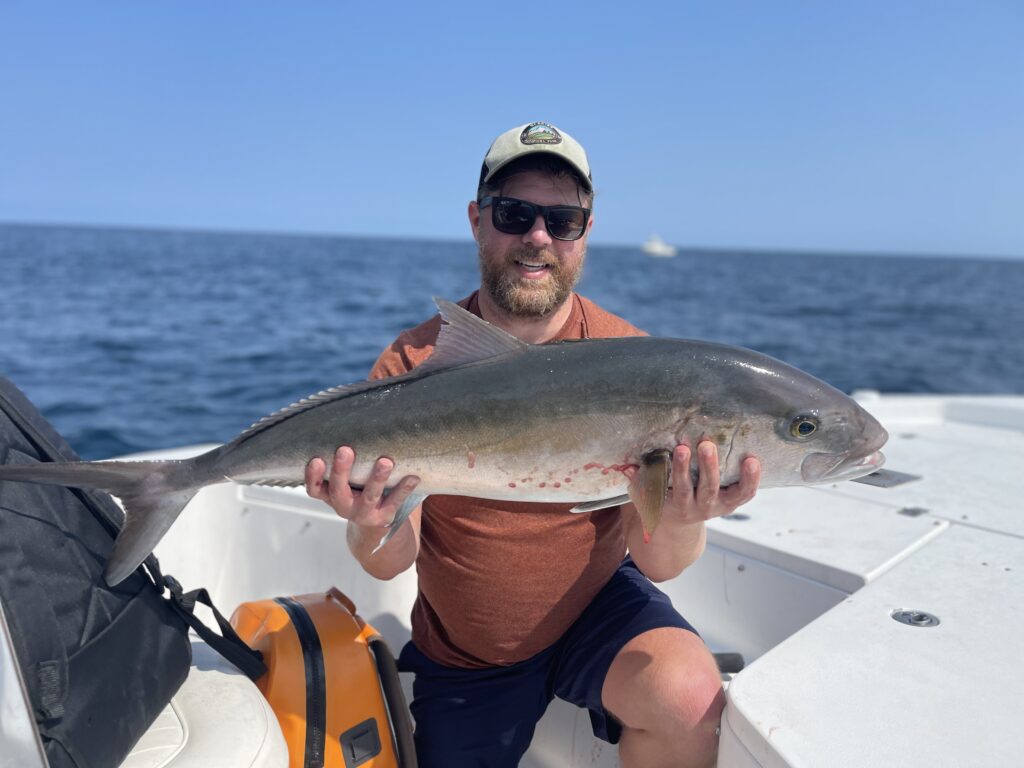
Surf fishing is practically a way of life on the Outer Banks. Honestly, you don’t need to work very hard to find a good spot. Pick a beach, bring a rod, cast a line. The OBX has been producing fish for generations of anglers regardless of where exactly you plant your feet in the sand.
cape point
That said, if you’re serious about fishing, there’s one destination that rises above the rest: Cape Point in Buxton. This is where the Outer Banks makes its westward curve, putting you in close proximity to both the Labrador Current and the Gulf Stream.
This convergence creates some of the most productive surf fishing on the entire East Coast, in any season. Fishermen haul their gear out there in four-wheel-drive trucks, set up for the day, and come back with stories. It’s the kind of place that has a reputation for a reason.
Cape Point falls within the Cape Hatteras National Seashore and is managed by the National Park Service. This means it’s occasionally closed to vehicles or pedestrians depending on the season and nesting activity. It’s worth checking the NPS website before making it the centerpiece of your trip.
kitty hawk and nags head
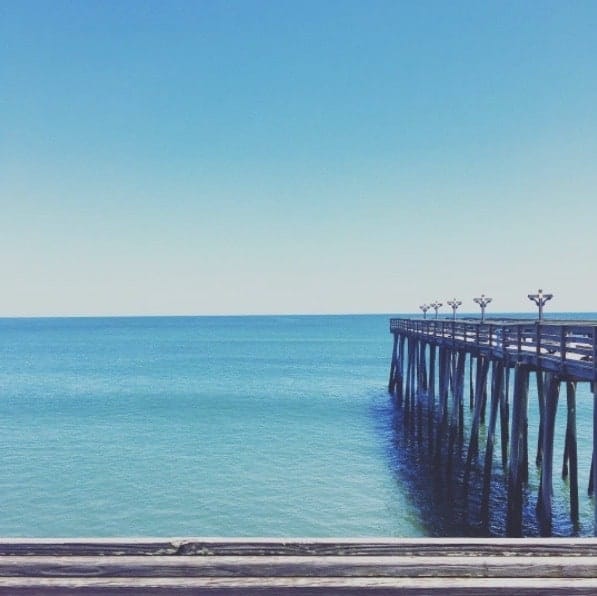
Beyond Cape Point, the entire Hatteras Island stretch offers excellent surf fishing from the beach. The drive-on access points make it easy to get your gear where it needs to go. Up in the central Outer Banks, the piers at Kitty Hawk and Nags Head are popular fishing spots as well. Pier fishing offers a different experience than surf fishing but is no less rewarding on a good day.
Best Beaches for Kiteboarding and Water Sports
The Outer Banks is famously windy, and that wind has built a water-sports culture that draws enthusiasts from all over the country. Kiteboarding in particular has found a natural home here, and if you happen to be on the beach on a breezy day, you’ll see why.
canadian hole
The epicenter of the kiteboarding scene is Canadian Hole, a public parking area on Hatteras Island between Buxton and Frisco. Park there on a windy day, walk across NC Highway 12, and you’re likely to find a stretch of beach lined with kiteboarders rigging up their gear or already out on the water.
The soundside “Kite Point” just across the highway is equally popular, giving kiteboarders options on both the sound and ocean sides depending on conditions. It’s a great spot to watch even if you’re not participating — the skill involved is genuinely impressive, and my kids could watch for a long time without getting bored.
soundside
For more general watersports, the sound side of the Outer Banks is worth exploring beyond just the ocean beaches. The calm, shallow waters of the Pamlico, Albemarle and Currituck Sound are ideal for kayaking, stand-up paddle boarding, and windsurfing.
A number of outfitters across the OBX offer kayak and paddle board rentals and instruction. Duck, in particular, has a nice soundside park with easy water access that’s great for a low-key paddle board session if the ocean feels like too much on a given day. (Kayaking and paddle boarding is also super fun in the Atlantic Ocean too!)
And, of course, there’s always the classic OBX wind activity that doesn’t require getting wet at all — kite flying on the beach. With the right conditions and a decent kite, you can keep one in the air for hours. It’s one of our family’s favorite beach activities, and the Outer Banks delivers the wind to make it work almost every single day.
Outer Banks beach tips and logistics
A few things worth knowing before you go, especially if it’s your first time on the Outer Banks.
Rip currents are real
The OBX has a well-maintained red flag warning system in the lifeguarded areas of Kitty Hawk, Kill Devil Hills, and Nags Head, and it’s worth paying attention to.
Rip currents are the most common beach hazard here, and even experienced swimmers can get caught off guard. If you’re visiting outside of peak season, note that lifeguards won’t be on duty and flags may not be flying — which puts the responsibility on you to assess conditions before getting in the water.
The island is long
This sounds obvious but it’s easy to underestimate. Driving from the Northern beaches in Corolla to Ocracoke is not a quick trip, and once you factor in the ferry to Ocracoke, you’re looking at a serious commitment.
Most visitors pick a home base and day trip from there rather than trying to cover everything in one visit. If your rental is in Duck, plan on spending most of your beach time in the northern OBX — venturing to Hatteras and back is doable but will eat most of a day.
Go early
In peak summer, beach parking fills up fast at the public access points in Kitty Hawk and Kill Devil Hills. Getting there by 9am makes a noticeable difference. The same goes for the ferry to Ocracoke — lines can get long, and reservations are recommended in season.
Check NPS conditions before heading to Hatteras
Cape Point and other drive-on beach areas within the Cape Hatteras National Seashore are subject to seasonal closures for nesting birds and other wildlife activity. A quick check of the NPS website before you go can save you a wasted trip.
Shoulder season is worth considering
While the summer months are popular for visitors, May and September are genuinely lovely on the Outer Banks and one of the best times to visit — warm enough to swim, far less crowded, and easier to get into restaurants without a wait. If your schedule allows any flexibility, it’s hard not to recommend it.

about chrissie
I’m Chrissie — a full-time public defender, food lover, North Carolina explorer, toddler wrangler, and lifelong cheese enthusiast. I love the beach, craft beer, Mexican food, and trashy reality TV. Catch me chasing my kids, laughing too loudly, sipping margaritas on a nearby patio, and telling my husband “just one more quick picture.” Learn more ➤