
The Complete Guide to Outer Banks Towns: Where to Stay from Corolla to Ocracoke
This post may contain affiliate links, meaning Off the Eaten Path may receive commissions for purchases made through those links — at no cost to you. All opinions are our own. Please read our full disclosure for more information.


The Outer Banks is made up of a series of small towns stretching more than 100 miles along North Carolina’s coast, including Duck, Corolla, Nags Head, Kitty Hawk, Hatteras Island villages, and Ocracoke. Each town offers a different experience — from walkable beach villages to remote barrier island escapes — so choosing the right one can shape your entire OBX vacation.
The first time you plan a beach trip to the Outer Banks of North Carolina, it seems simple.
Pick a beach.
Book a house.
Relax.
But then you open a map and realize the Outer Banks isn’t just one destination.
It’s a long, narrow chain of barrier islands stretching more than 100 miles off the North Carolina coast — a string of small towns connected by dunes, bridges, marshes, and one very determined highway.
And each of those towns feels completely different.
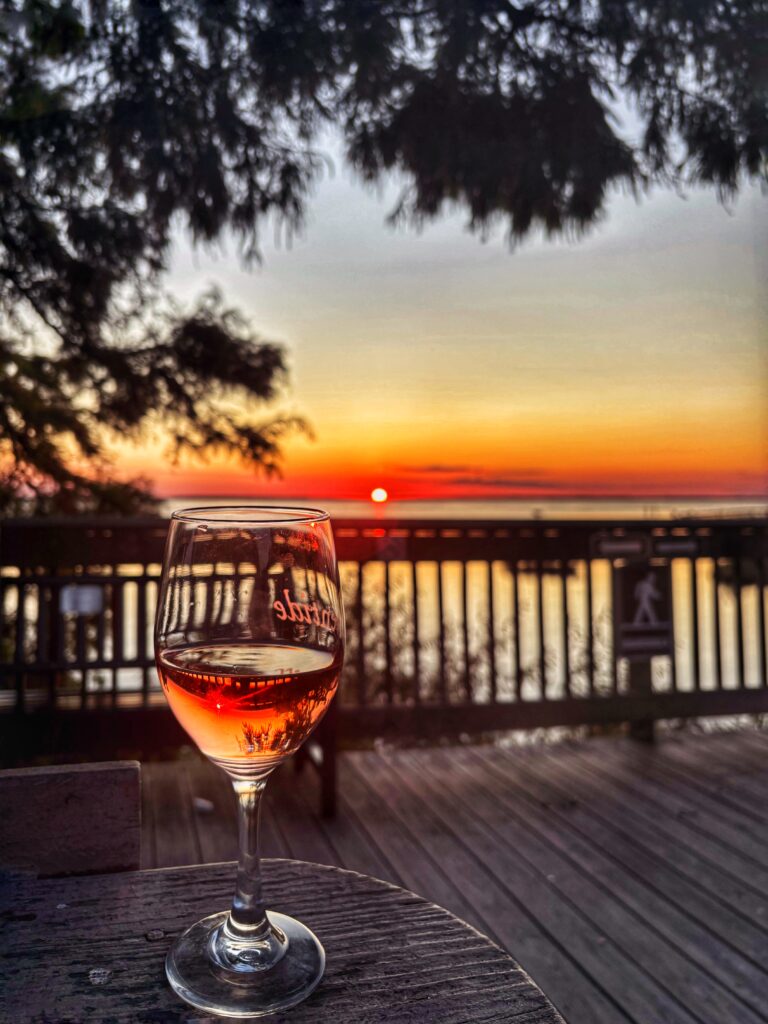
Some are polished and walkable, with boardwalks, boutiques, and sunset views over the sound.
Others are quiet residential neighborhoods where the loudest sound at night is the ocean.
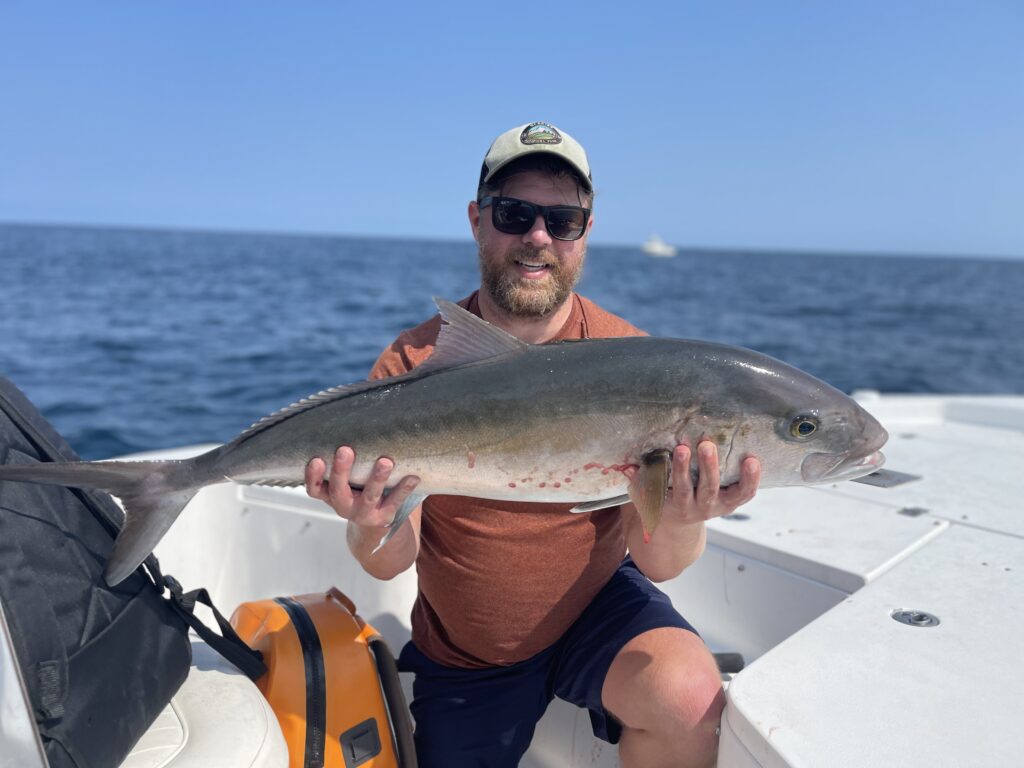
Some are working fishing villages where the seafood comes straight off the boat.
Others feel almost wild — where the road ends, the pavement disappears, and wild horses still roam the dunes.
Choosing where to stay in the Outer Banks can shape your trip even more than choosing when to visit.
Knowing where to stay in the Outer Banks determines whether your vacation looks like biking to ice cream after dinner in Duck…
climbing lighthouses and exploring centuries of history in Corolla and Manteo…
settling into a classic family beach week in Nags Head…
or unplugging almost entirely on Hatteras Island or Ocracoke, where life slows down to tides, wind, and weather.
Unlike many beach destinations, the OBX isn’t about resorts or high-rise hotels. It’s about beach houses, screened porches, sandy floors, shared meals, and the kind of travel that feels more like temporarily living somewhere than visiting.
It’s also wonderfully, stubbornly unpolished.
There’s no boardwalk glitz.
No mega-attractions competing for your attention.
No shortcuts once you’re on the islands.
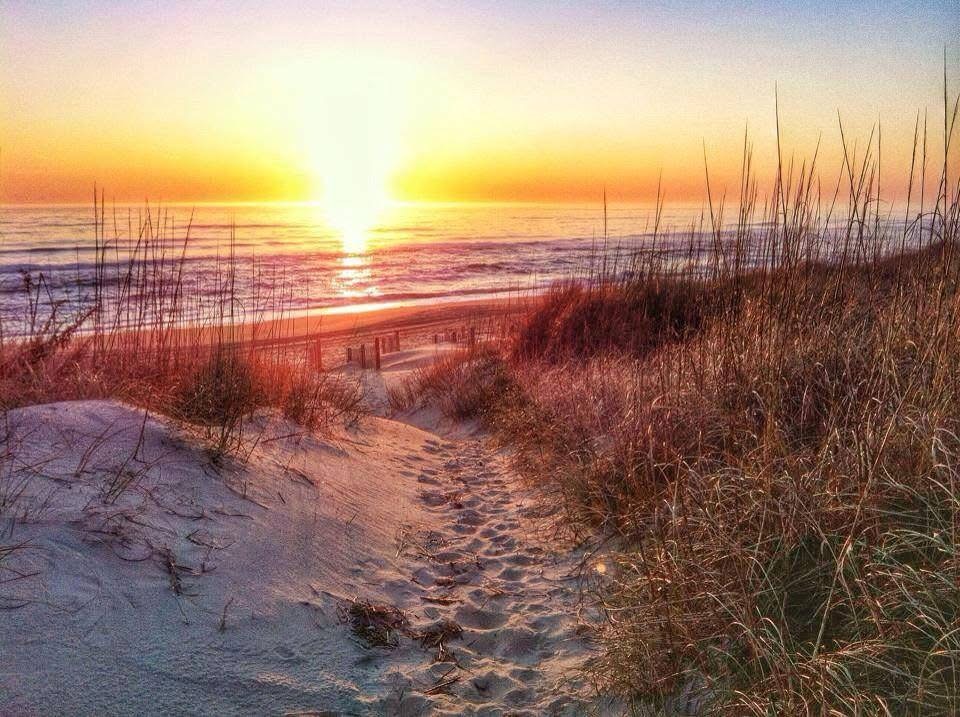
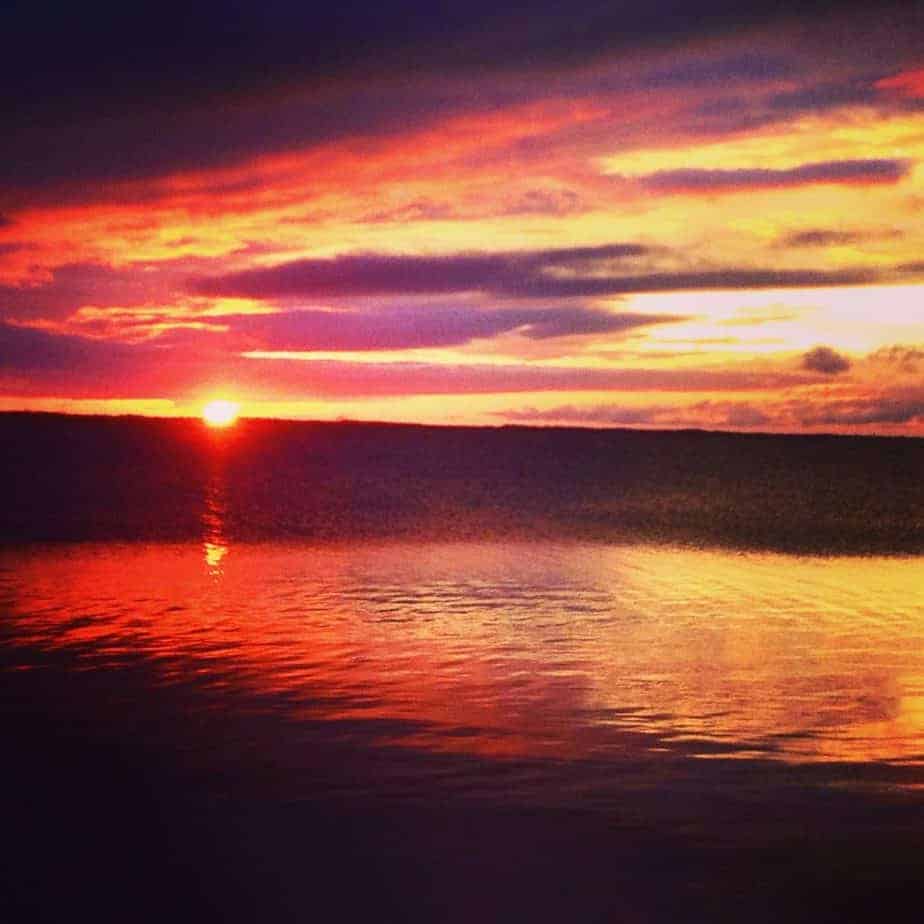
Just long stretches of shoreline, maritime forests bent by the wind, fishing piers stretching out over the Atlantic, small local restaurants serving fresh seafood, and sunsets over the sound that stop you mid-sentence.
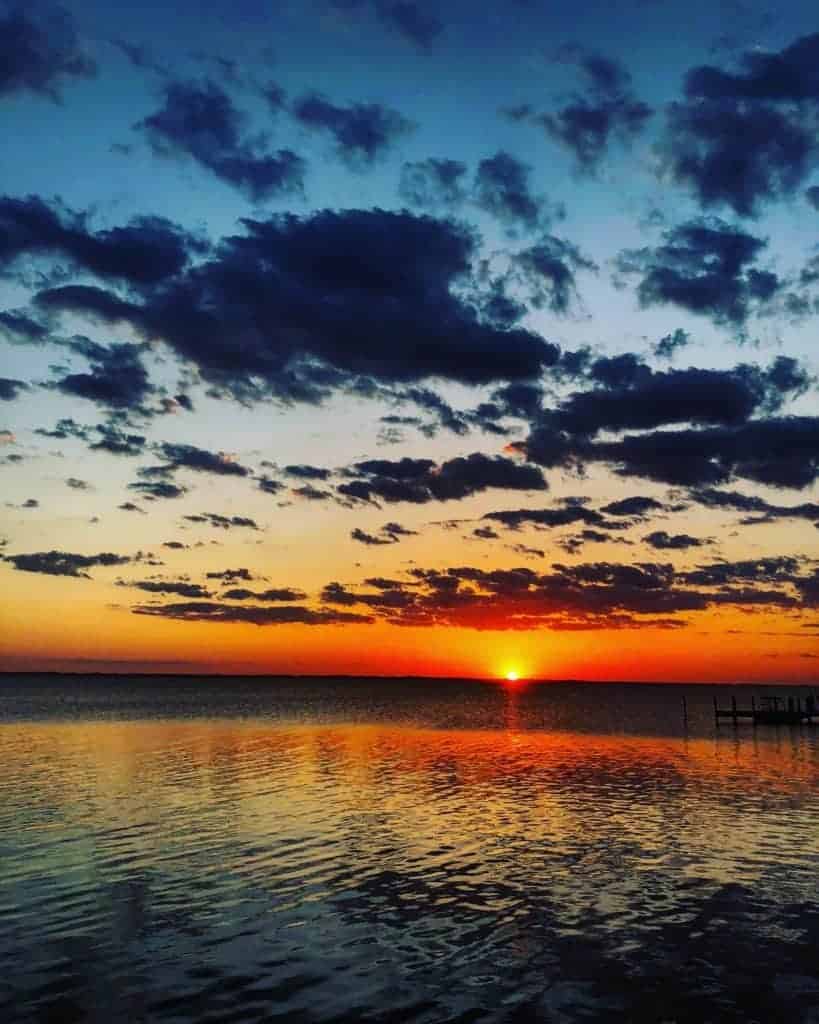
For many North Carolinians a beach vacation at the Outer Banks is practically a rite of passage. It’s the kind of place families return to year after year, where kids grow up measuring summers in weeks spent near the water.
But for first-time visitors, the geography of the Outer Banks towns can feel surprisingly confusing.
Which town is best for families?
What’s the difference between Duck and Corolla?
Why do people have such strong opinions about Hatteras Island?
Is Ocracoke really that far?
Do you actually have to take a ferry?
And why does everyone seem to have really strong opinions about their favorite town or village?



which outer banks town is right for your vacation?
With more than a dozen towns spread across the barrier islands, figuring out which Outer Banks town is right for your vacation can make a big difference in your overall experience.
(The other thing that will affect your overall experience for a beach vacation? Knowing exactly what to pack! I’ve got you covered with my family beach vacation packing list).
This guide breaks down every major Outer Banks town, from the northern beaches to the villages of Hatteras Island and all the way to Ocracoke. Along the way, you’ll find what each town is known for, where to stay based on your travel style, and tips for making the most of your OBX trip.
Because once you understand how the Outer Banks fits together, planning your trip becomes a whole lot easier.
And once you experience it, you may find yourself doing what so many people do:
Coming back again.
And again.
And again — always to the same stretch of sand that starts to feel like your own.
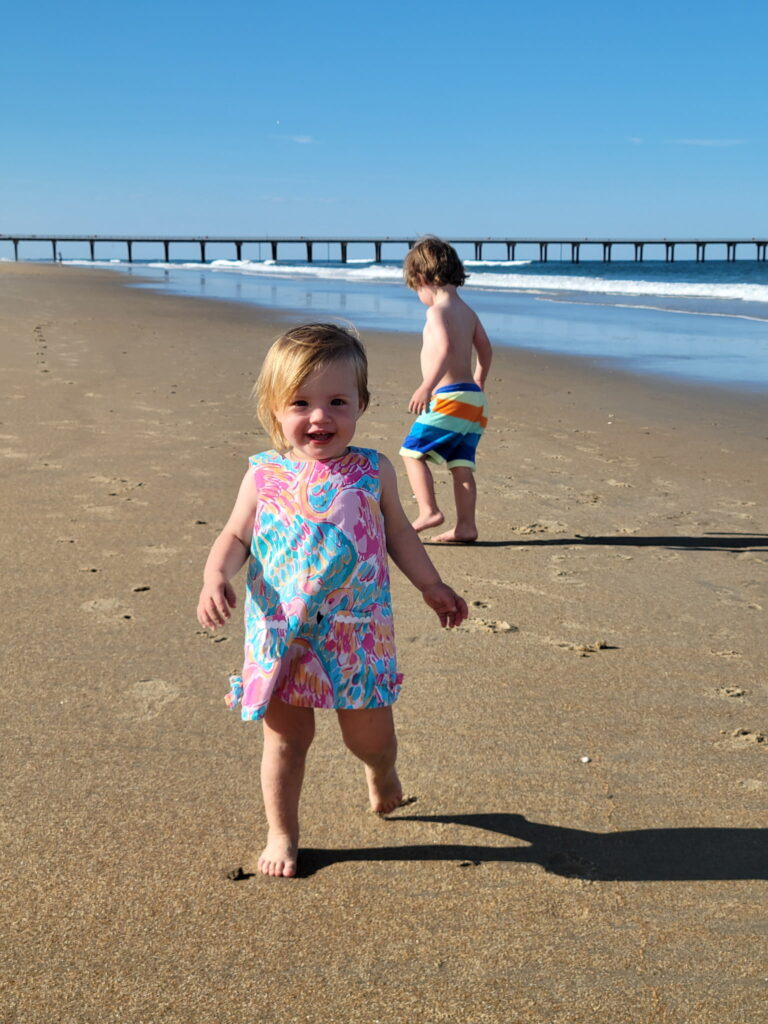
Quick Guide to Outer Banks Towns
Northern Beaches
- Carova – remote 4×4 beach area with wild horses
- Corolla – historic sites, brick lighthouse, large vacation homes
- Duck – walkable village with sound side shops and restaurants
- Southern Shores – quiet residential community
Central Beaches
- Kitty Hawk – centrally located and public beach access
- Kill Devil Hills – home of the Wright Brothers National Memorial
- Nags Head – Jockey’s Ridge and fishing piers
- Manteo – historic waterfront town on Roanoke Island
- Wanchese – working fishing village and seafood hub
Hatteras Island (Southern Beaches)
- Rodanthe, Waves, Salvo – watersports, fishing and quieter beaches
- Avon – central Hatteras Island hub
- Buxton – home of Cape Hatteras Lighthouse
- Frisco – wide beaches and local surf spots
- Hatteras Village – the southern tip of the OBX and ferry access to Ocracoke
Accessible by Ferry
- Ocracoke Island – historic village and some of the most pristine beaches in North Carolina
Northern Beaches
The northern Outer Banks are quieter, more residential, and feel a little removed from the busier central strip. This is where you’ll find maritime forests, wide beaches, and that unmistakable “end of the road” feeling.
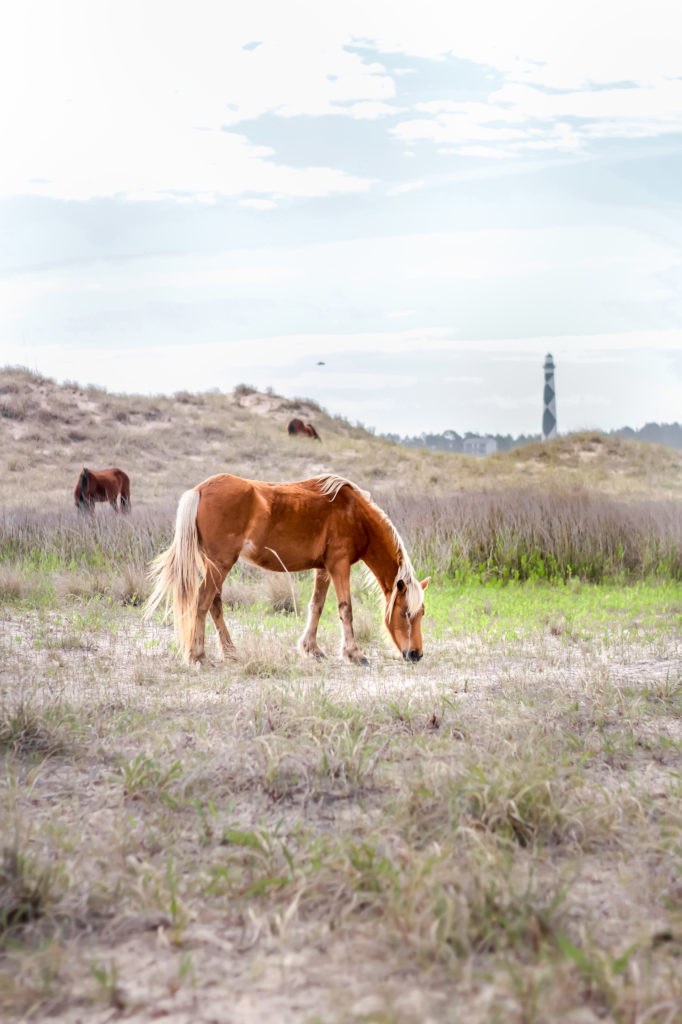
Carova
Carova isn’t just off the beaten path — it is the end of the pavement.
There are no paved roads here. No restaurants or stores. No distractions.
You access Carova by driving on the beach in a 4WD vehicle, and that alone sets the tone for what this place is: remote, quiet, and deeply connected to nature.
It’s best known for the Corolla Wild Horses, descendants of Spanish mustangs that roam freely through the dunes and neighborhoods.
Stay here if: You want true seclusion, wildlife, and a “disconnect to reconnect” vacation.
Corolla
Corolla blends history, natural beauty, and classic beach vacation ease.
Climb the Currituck Beach Lighthouse, explore Historic Corolla Park, or kayak along the sound. Compared to Carova, Corolla has conveniences — groceries, restaurants, outfitters — but still feels peaceful and uncrowded.
It’s a favorite for multi generational families who want space to spread out without feeling isolated.
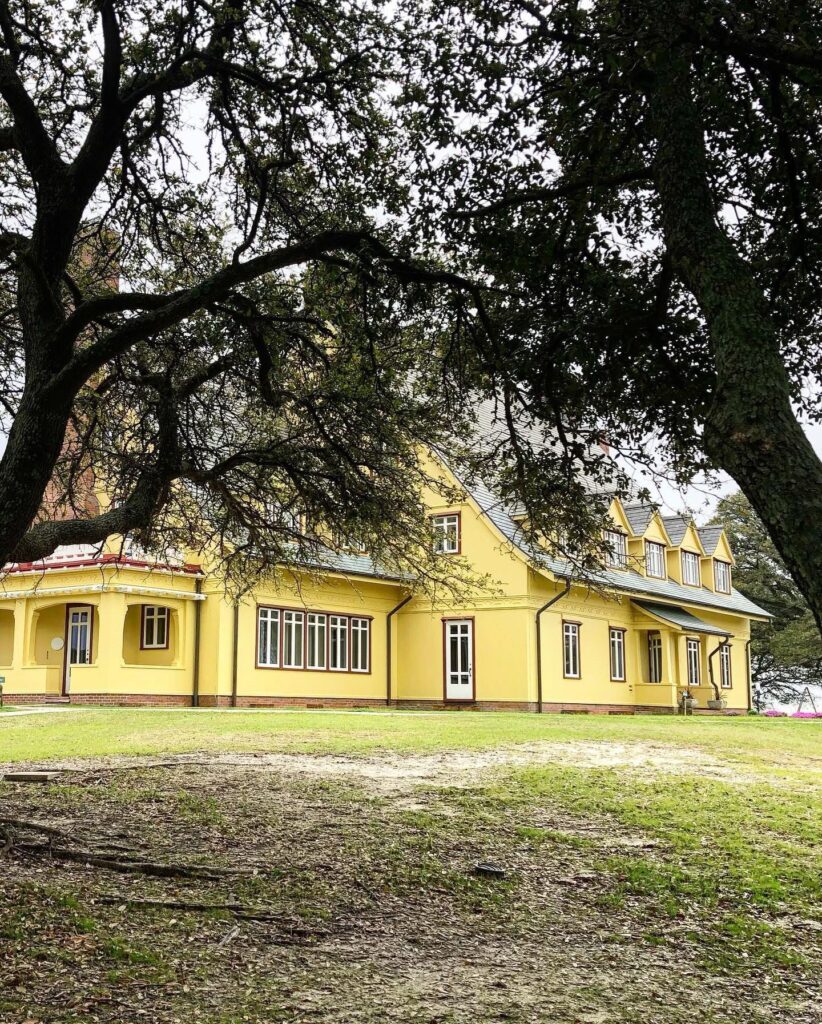
Don’t miss: The Whalehead Club, a restored 1920s hunting retreat that gives the area its distinctive historic character.
Duck
Duck is a coastal village — intentionally designed to be charming, walkable, and relaxed.
The soundside boardwalk winds past shops, restaurants, and marsh views, making it one of the few places in the Outer Banks where you can park your car for the evening and stroll (or bike from your house into town).
It’s polished but not pretentious.
Stay here if: You want restaurants, boutiques, and sunset views without the bustle of the central beaches.
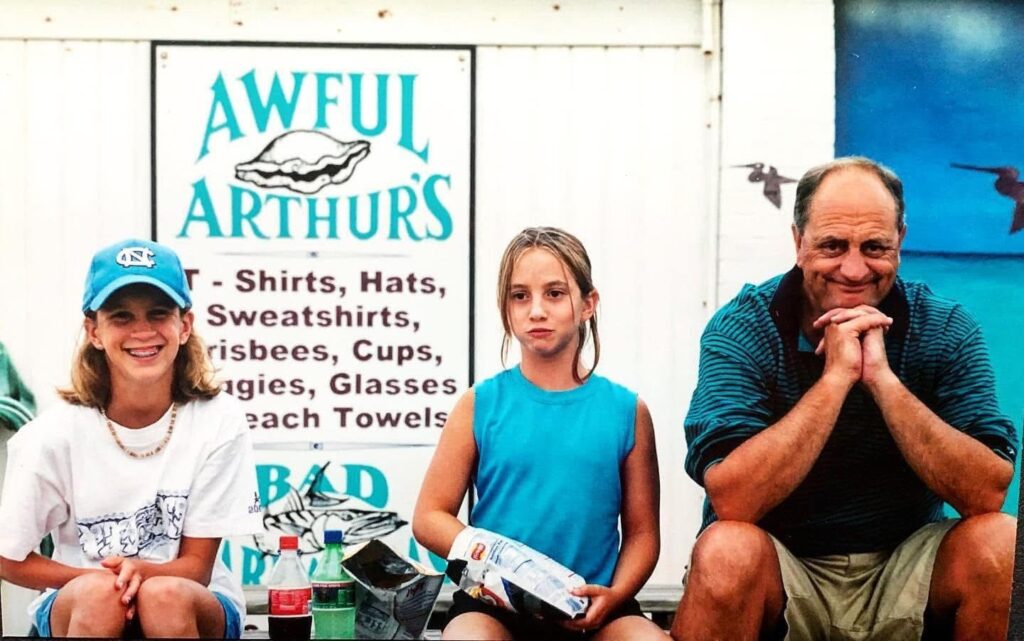
Fun fact: My family and I have been going to Duck annually since 1987!

Southern Shores
Southern Shores is mostly residential — think shady streets and maritime forest, and mix of Outer Banks year round residents and vacation rentals.
There’s very little commercial development, which makes it ideal for travelers who want a peaceful home base close to Duck and Kitty Hawk.
Best for: Repeat OBX visitors who value calm over activity.
Central Beaches
This is what many people picture when they think of the Outer Banks — long-established towns with history, restaurants, surf culture, and easy access to everything.
Kitty Hawk
Kitty Hawk blends residential charm and ample public beach access, plus is centrally located for easy accessibility to activities and some of the best Outer Banks restaurants.
Great for: a centralized hub home base, quick drives to both the northern and southern Outer Banks.
Kill Devil Hills
Home to the Wright Brothers National Memorial, this is the geographic and cultural heart of the Outer Banks. Expect restaurants, surf shops, and classic beach-town nostalgia.
Great for: First-time visitors who want convenience and history.
Nags Head
Nags Head is home to Jockey’s Ridge State Park, the tallest living sand dune system on the East Coast (the views from the top, especially at sunset, are unforgettable). It’s also one of the best places on the East Coast to try hang gliding, thanks to the steady coastal winds and wide open landscape.
Like Kill Devil Hills, if you stay in Nags Head you’ll be centrally located in the heart of the action.
Tip: Head to Jockey’s Ridge in the evening. The sand is cooler, the light is incredible for photos, and watching the sun set over the Roanoke Sound from the top of the dunes is one of the most memorable experiences in the Outer Banks.
Manteo
Manteo sits just off the ocean on Roanoke Island — and that’s part of its charm.
Instead of beach crowds and surf shops, you’ll find a walkable waterfront town filled with historic homes, small bookstores, art galleries, gardens, and marinas. The pace here feels slower and more like a classic coastal Southern town than a typical beach destination.
History runs especially deep in Manteo. Just outside downtown, Fort Raleigh National Historic Site marks the location of England’s first attempt to establish a colony in the New World. Each summer, that story comes to life during The Lost Colony, the nation’s longest-running outdoor drama, performed under the stars in an open-air theater.
Local tip: If you’re visiting in summer, try to catch an evening performance of The Lost Colony. The mix of live music, sword fighting, and storytelling set against the island landscape makes it one of the most unique cultural experiences in the Outer Banks.
Wanchese
Wanchese is the working heart of the Outer Banks fishing industry and has deep maritime history. This small community on Roanoke Island centers around commerical fishing and boat building in the Outer Banks.
Expect: Lots of fresh seafood!
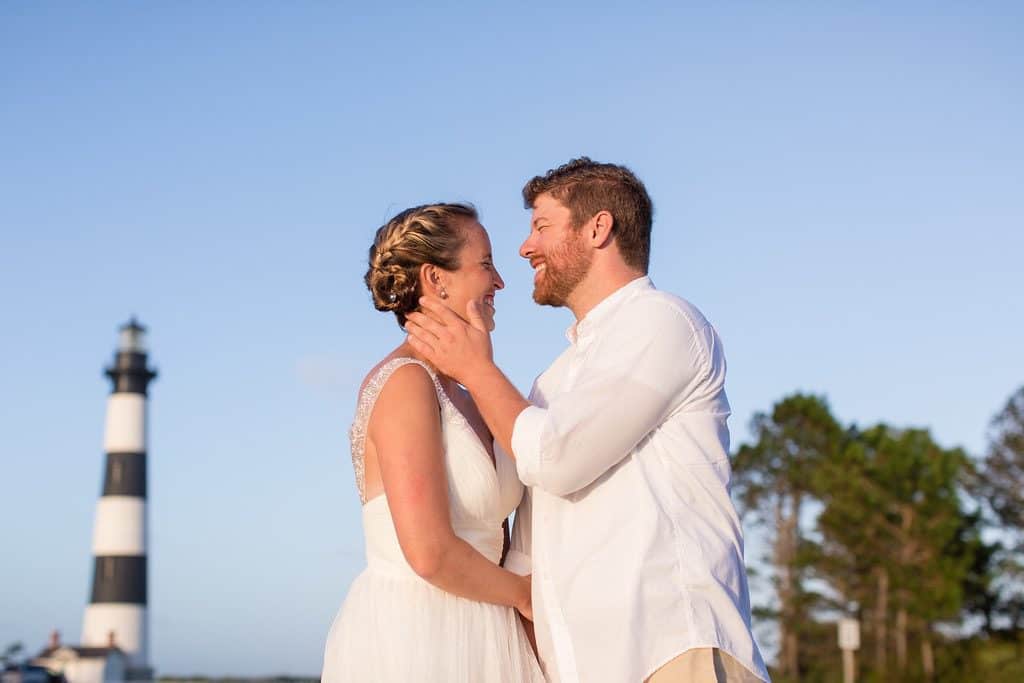
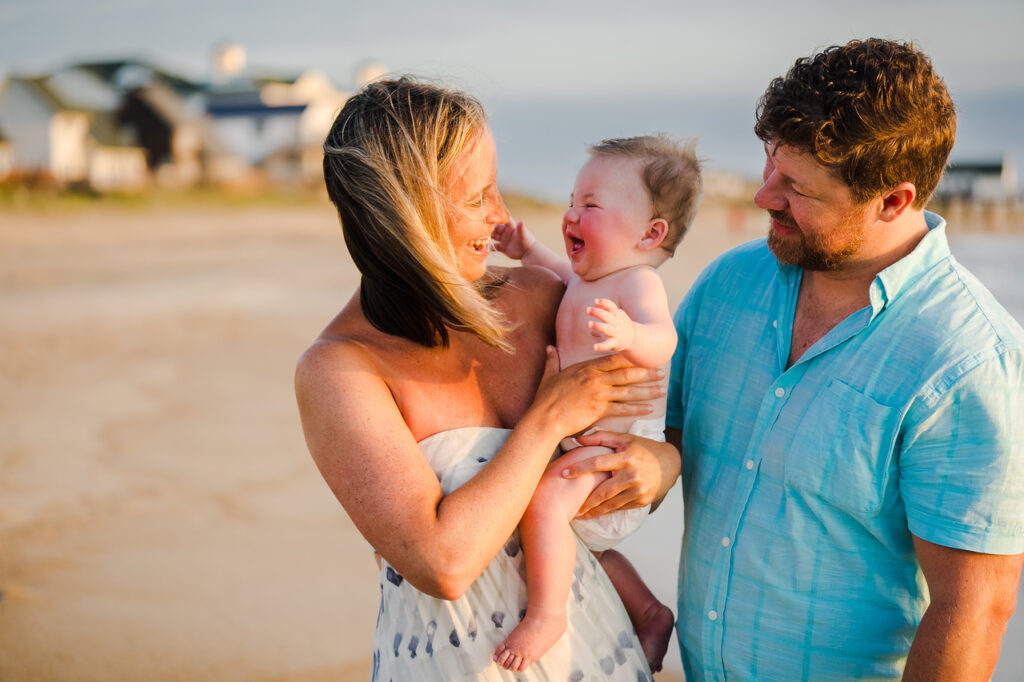
(We took our wedding photos at the Bodie Island Lighthouse!)
Southern Beaches
Crossing the 2.8 mile span over the Oregon Inlet on the Marc Basnight Bridge will take you to Hatteras Island, home of the Southern portion of the Outer Banks.
Fun fact: The Marc Basnight Bridg opened in 2019 and replaced the Bonner Bridge which served as the lifeline to Hatteras Island from the mainland, carrying generations of visitors toward windswept beaches, fishing villages, and some of the wildest stretches of shoreline on the East Coast.
Today, a 1,000-foot section of the original Bonner Bridge still stands at the south end of the inlet, preserved as the Bonner Bridge Pier. Managed by the National Park Service and open 24 hours a day, it’s now a free public fishing pier and scenic lookout where visitors can watch boats pass through Oregon Inlet and see where the powerful Atlantic meets the Pamlico Sound. The remainder of the old bridge was intentionally sunk offshore to create an artificial reef that now supports marine life.
Rodanthe, Waves & Salvo (The Tri-Villages)
These three small towns blend together along the northern stretch of Hatteras Island and are often referred to collectively as the Tri-Villages. The pace here is noticeably slower than the central Outer Banks, and the landscape opens up into long stretches of dunes, sea oats, and wide beaches.
Rodanthe gained national attention from the movie Nights in Rodanthe, which was filmed here, but the real appeal is the natural scenery and easy access to both the Atlantic Ocean and the Pamlico Sound. That geography creates ideal wind conditions, making the area one of the best places on the East Coast for kiteboarding and windsurfing.
Tip: Even if you’re not a kiteboarder, stop by REAL Watersports in Waves. It’s one of the most respected kiteboarding schools in the world, and their oceanfront restaurant and viewing deck is a great place to watch riders skim across the sound.
Avon
Avon is the most developed town on Hatteras Island, making it one of the most convenient places to stay if you want groceries, restaurants, and shops nearby without leaving the island.
Despite being the commercial hub of Hatteras Island, Avon still feels relaxed compared to the busier northern beaches. The town sits between the Atlantic Ocean and Pamlico Sound, giving visitors easy access to both surfing and calmer soundside waters.
Tip: Avon is one of the best places on Hatteras Island to catch a sunset over the sound. Head to the soundside access points or Canadian Hole just north of town for wide-open views across the water.
Buxton
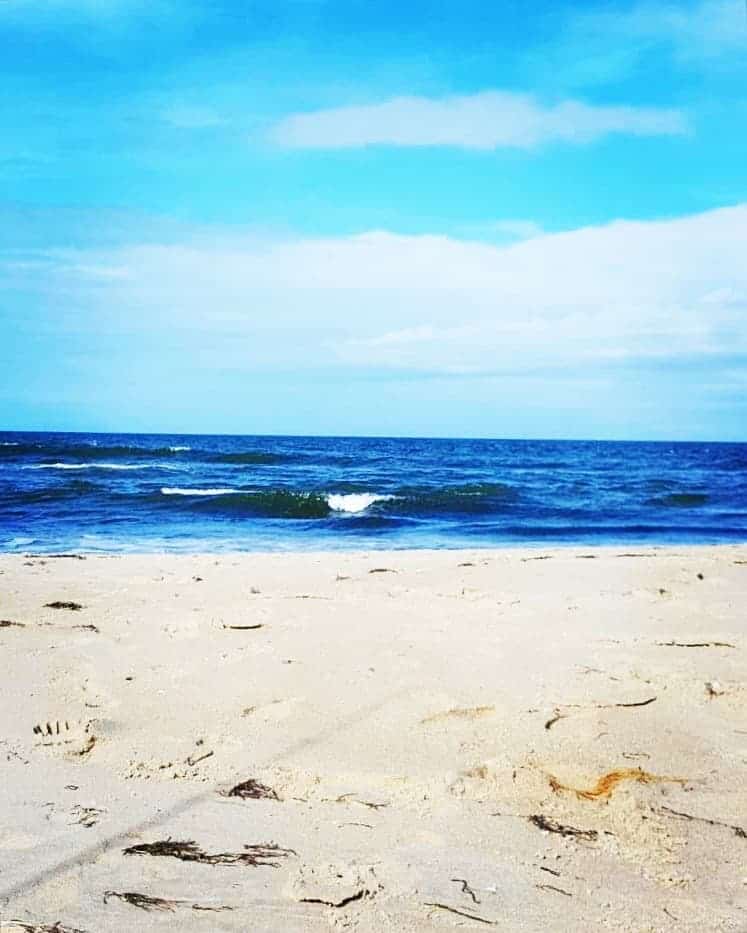
Buxton is best known for the iconic Cape Hatteras Lighthouse, the tallest brick lighthouse in North America and one of the most recognizable landmarks on the East Coast. The black-and-white spiral tower rises above the surrounding dunes and can be seen for miles.
Unlike many parts of the Outer Banks, Buxton is surrounded by a rare maritime forest, giving the area a lush, shaded feel that contrasts with the wide-open dunes found elsewhere along the coast.
Fun fact: In 1999, the entire lighthouse was moved nearly 3,000 feet inland to protect it from the encroaching ocean — one of the most ambitious historic structure relocations ever attempted.
Frisco
Frisco is quieter and more residential than many other Outer Banks towns, making it a favorite among longtime visitors who want a laid-back beach stay without feeling completely remote.
The beaches here tend to be wide and uncrowded, and the nearby soundside waters are ideal for kayaking, paddleboarding, and sunset watching.
Tip: Frisco Beach is known among locals as a great place for surf fishing, especially in the fall when anglers come to cast for red drum and other migrating fish.
Hatteras Village
Hatteras Village sits at the southern tip of Hatteras Island and has the feel of a traditional coastal harbor town shaped by generations of fishing families.
Charter boats line the marinas, seafood restaurants serve the day’s catch, and the pace of life moves with the tides. It’s also the jumping-off point for the ferry to Ocracoke Island.
Don’t miss: The Graveyard of the Atlantic Museum, which tells the dramatic story of the hundreds of ships lost off the treacherous North Carolina coast and the maritime history that defines this region.
Ocracoke Island
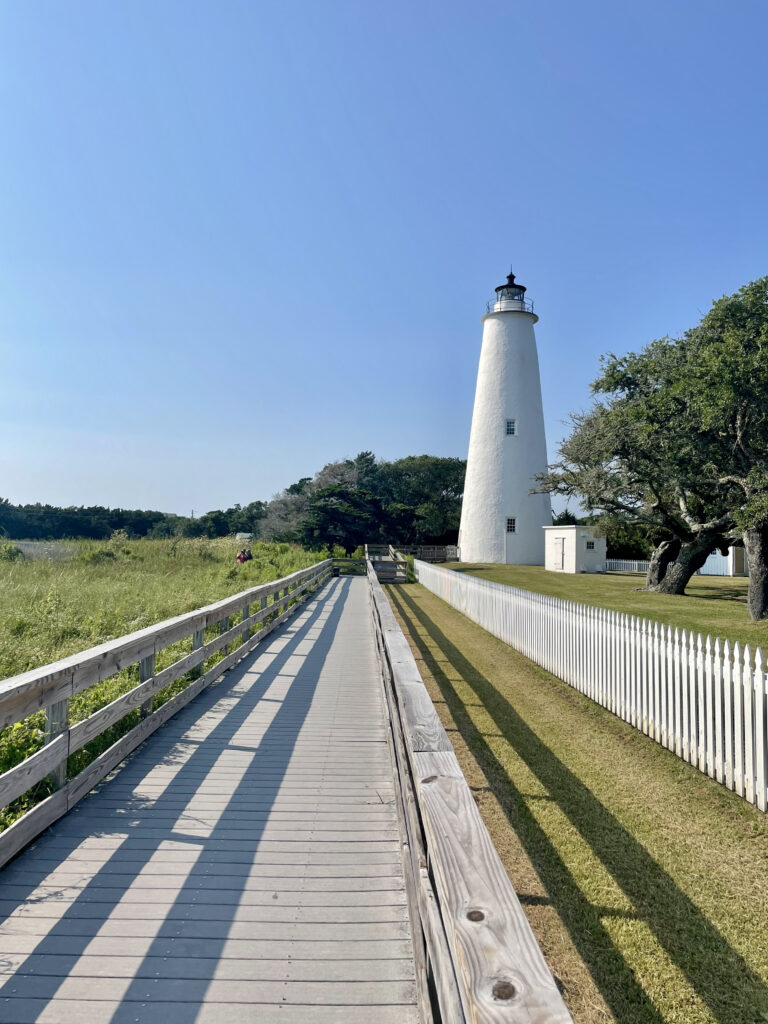
Accessible only by ferry, this small island village sits at the southern end of the Outer Banks and has long been beloved by travelers willing to make the extra journey. The pace here is slower, the streets are walkable and lined with historic cottages, and the island’s maritime history runs deep — including the final battle of Blackbeard, who was killed just offshore in 1718.
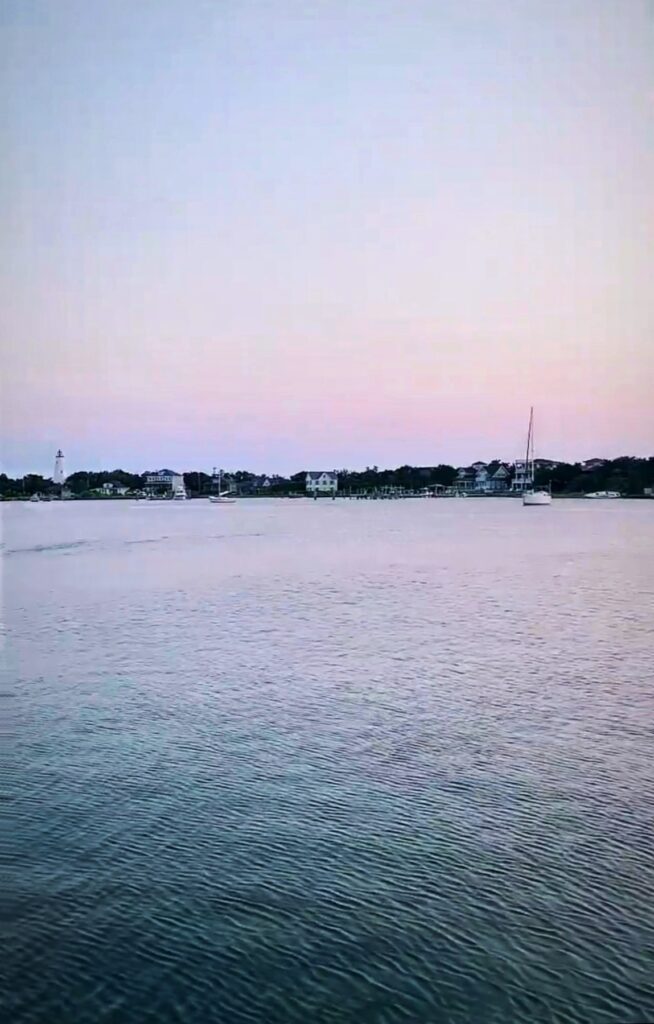
Beyond the village, Ocracoke is surrounded by miles of protected shoreline within Cape Hatteras National Seashore, where wide, undeveloped beaches stretch for miles. It’s the kind of place where mornings start with bike rides to coffee and evenings end watching the sunset over Silver Lake Harbor.
Stay here if: you’re looking for the Outer Banks at its most timeless — quiet, historic, and wonderfully removed from the rest of the world.
How to Choose the Right Outer Banks Town for You
Best Areas for Families with Young Kids
Top Towns: Duck, Corolla, Nags Head, Avon
These towns strike the ideal balance of:
- Easy beach access (minimal hauling of gear)
- Grocery stores and ice cream within a short drive
- Calm, residential feel
- Family-friendly rental homes with pools and bunk rooms
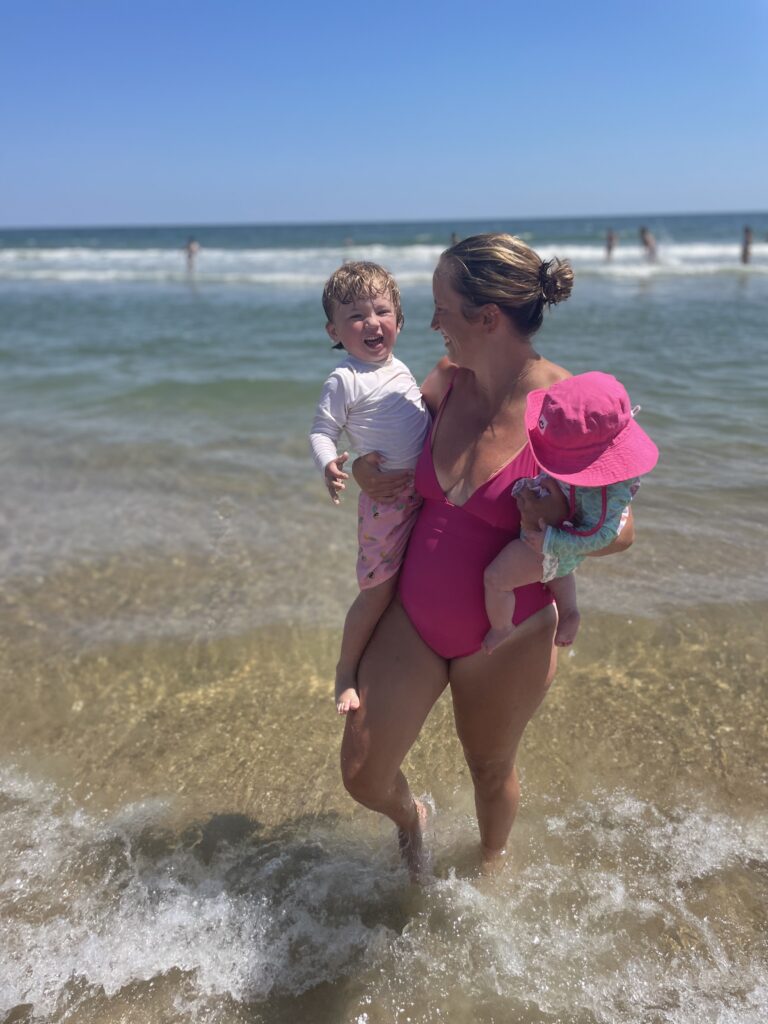
Duck is especially great if you want the ability to walk to dinner or stroll the soundside boardwalk with a stroller.
Corolla works well for families who want quieter beaches and larger homes with amenities like private pools and game rooms.
Nags Head gives you access to activities like Jockey’s Ridge, piers, and casual dining without feeling overly commercial.
Avon is a strong choice on Hatteras Island if your family prefers fewer crowds and a slower rhythm.
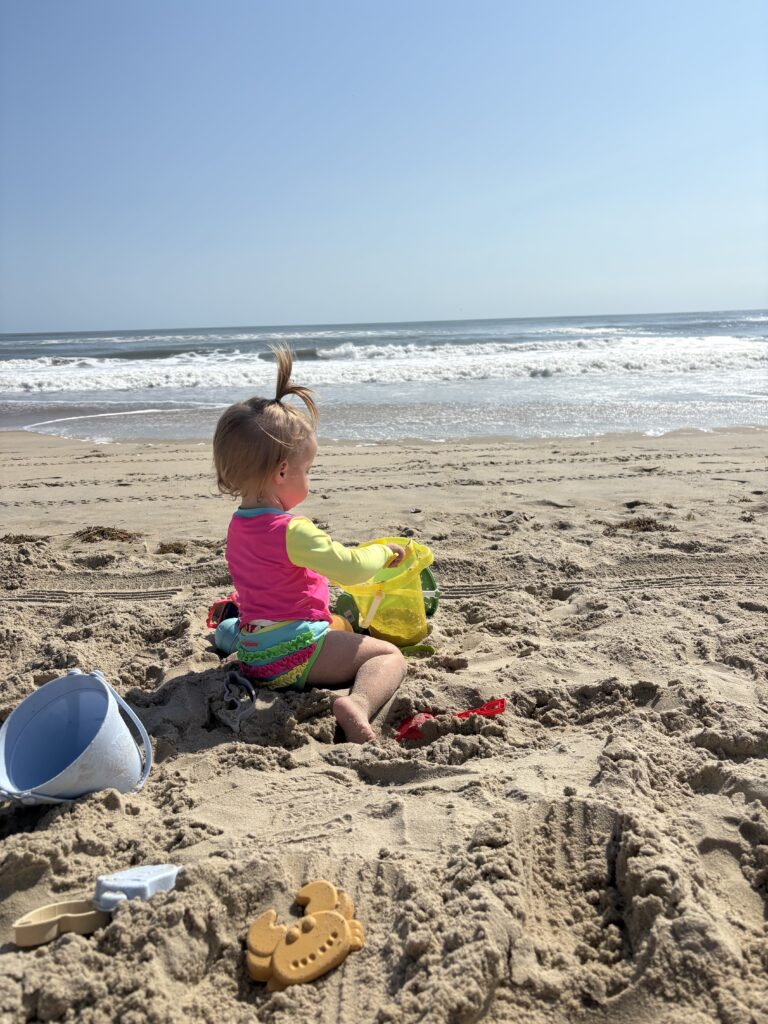
What to look for in a rental with kids:
- Short, flat walk to beach (avoid crossing Highway 12 if possible)
- Outdoor shower (non-negotiable with sandy toddlers)
- Pool for non-beach afternoons
- Laundry on main level
- Covered decks for shade breaks
Travel Tip!
Leave home early in the morning (or even the night before and stay inland). A sunrise arrival beats sitting in hours of beach traffic with restless kids.
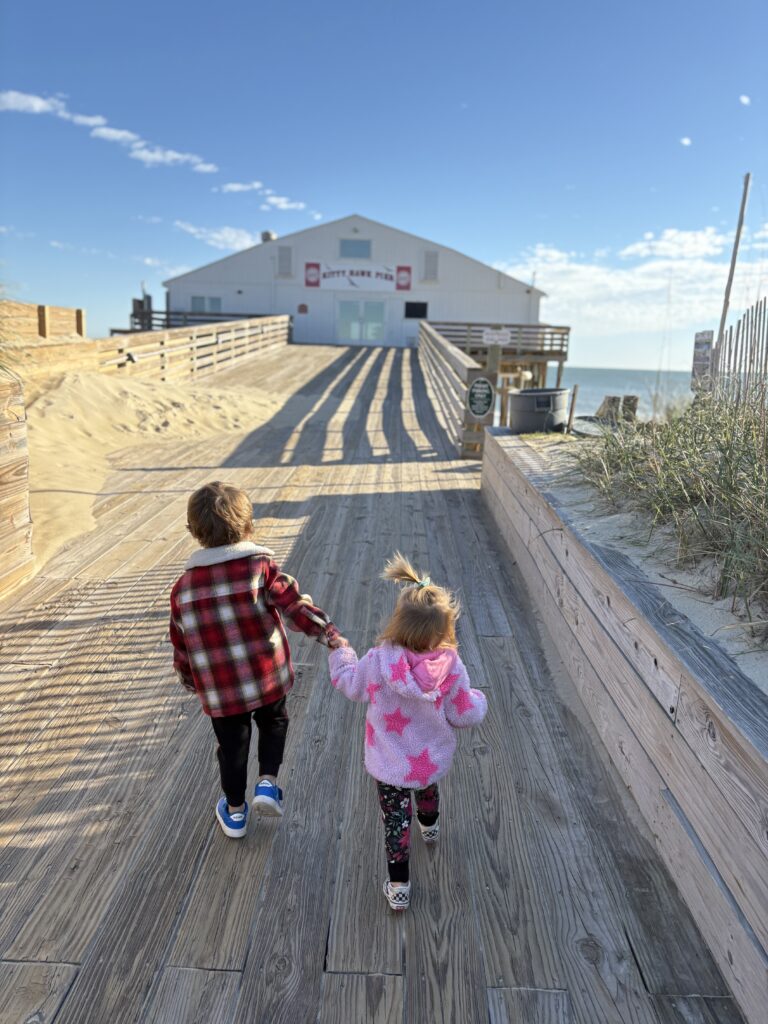
Best Areas for Extended Families or Multi-Generational Trips
Top Towns: Corolla, Southern Shores, Nags Head, Rodanthe/Waves/Salvo
The OBX was practically designed for multi-family travel. Many homes sleep 12–20 people comfortably and include gathering spaces meant for shared meals and downtime.
Corolla is especially popular for extended families because:
- Homes are large and spread out
- Beaches feel less crowded
- Many rentals are designed specifically for reunions
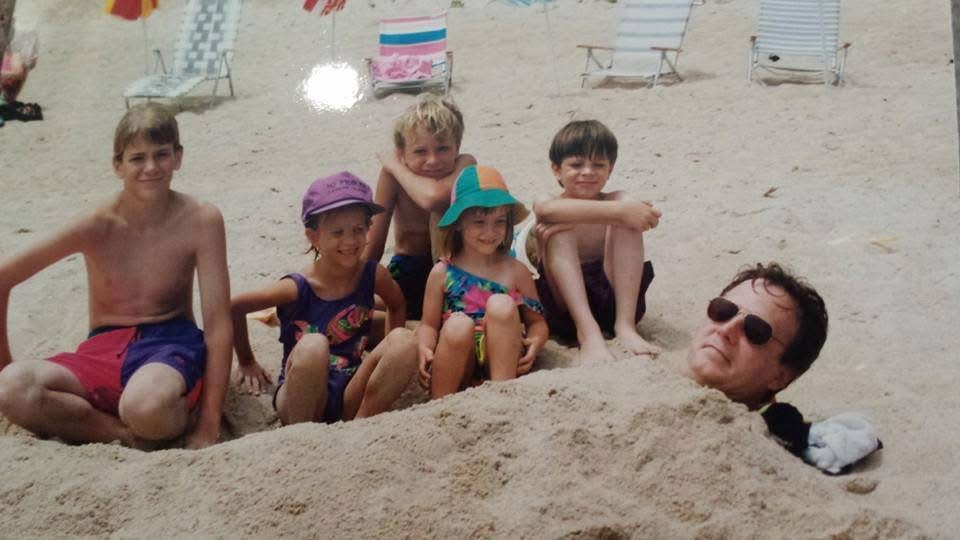
Southern Shores offers a quieter, more residential experience if your group prefers calm over activity.
The Tri-Villages (Rodanthe, Waves, Salvo) are ideal for families who want to unplug together — fewer distractions, more time cooking, reading, fishing, and watching the ocean.
Look for homes with:
- Multiple primary suites
- Elevator access for grandparents
- Large dining tables and double dishwashers
- Private beach access or parking
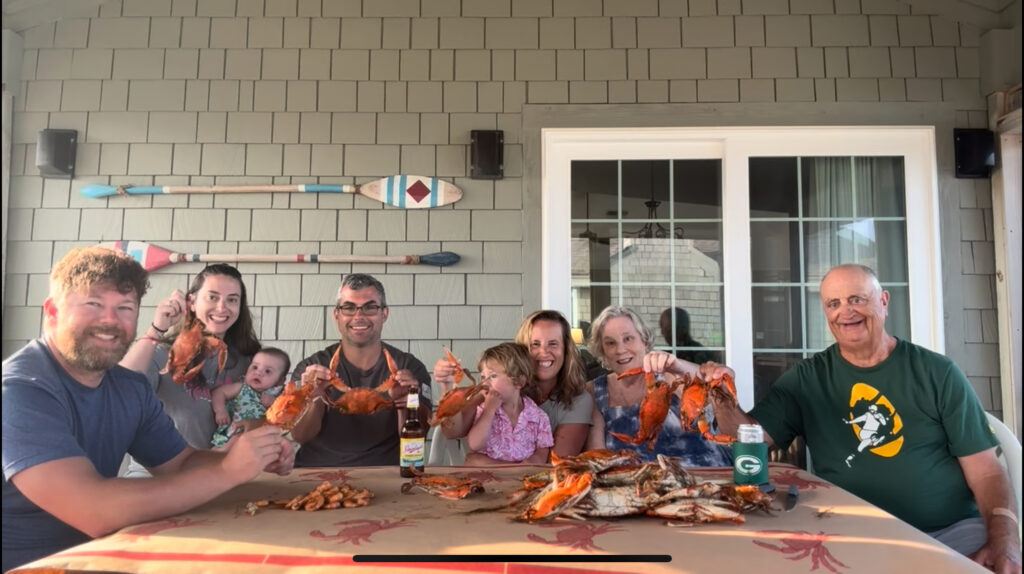
Best Areas for Couples or Adult Getaways
Top Towns: Duck, Manteo, Buxton, Ocracoke
If you’re not traveling with kids, the quieter and more character-driven towns shine.
Duck offers walkability and date-night appeal without losing the beach vibe and is home to the gorgeous Sanderling Resort.
Manteo feels historic and charming, with waterfront inns and a slower pace that’s perfect for wandering, browsing bookstores, and long dinners.
Buxton is low-key and scenic — great for lighthouse views, maritime forests, and uncrowded beaches.
Ocracoke is hands-down the most romantic destination in the Outer Banks if you’re willing to make the ferry journey.
Instead of a massive rental, consider:
- Smaller cottages or inns
- Soundside stays for sunset views
- Walkable locations where you can bike instead of drive
Frequently Asked Questions about the Outer Banks towns
Highway 12 is the main artery, and it runs like a ribbon down the islands. There are no alternate routes. No shortcuts. Everything depends on that one road. That means planning ahead matters especially on busy weekend days.
Yes. The Outer Banks towns are very spread out, and there’s no reliable public transportation. Even in walkable towns like Duck, you’ll still need a car for groceries, exploring, and day trips.
Most beach house rentals run Saturday-to-Saturday in peak season, which means Saturday traffic can be intense.
Yes — all ocean beaches are public. However, parking access varies by town, and some areas require permits for off-road vehicle (4×4) access.
Hurricane season runs June through November, with peak activity from August to October. Most trips are unaffected, but travel insurance is recommended during this time.
It’s one of the most family-friendly beach destinations on the East Coast, and many of the Outer Banks towns are perfect for traveling with kids. The rental-house setup, wide beaches, and slower pace make it ideal for multi-generational vacations.
If Ocracoke is on your itinerary (and it should be), the ferry is simply part of the adventure.
There are three ferries that run to Ocracoke: Hatteras to Ocracoke, Swan Quarter to Ocracoke, and Cedar Island to Ocracoke.
Hatteras → Ocracoke Ferry
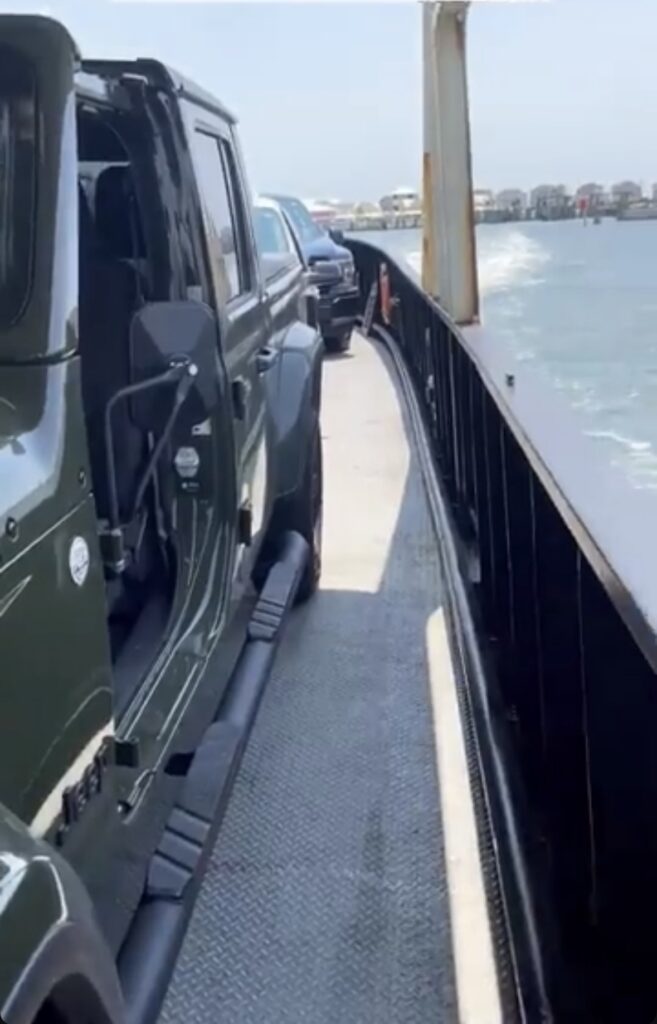
This is the free vehicle ferry from Hatteras Village (you stay with your car). It runs roughly every 30 minutes in season and crossing takes about 60 minutes. It is first-come, first served (no reservations).
Best strategy:
Arrive early morning or later afternoon to avoid peak wait times.
Swan Quarter or Cedar Island Ferries
These ferries come from the mainland and take 2.5–4 hours. They’re scenic but require reservations and much more planning. Most OBX visitors don’t use these unless building a longer coastal road trip. One summer we drove down Hatteras Island, took the ferry to Ocracoke, stayed overnight, and then took the Cedar Island ferry and stayed overnight again in Beaufort before driving home.
Ferry details: Bathrooms are available on board. Bring snacks and water. You’ll get incredible Pamlico Sound views. Cell service can be spotty.
Most central Outer Banks towns (Nags Head, Kill Devil Hills) are about 6–7 hours from Charlotte, depending on traffic and your exact destination. Hatteras Island and Ocracoke can add another 1–2 hours due to slower roads and ferry travel.

about chrissie
I’m Chrissie — a full-time public defender, food lover, North Carolina explorer, toddler wrangler, and lifelong cheese enthusiast. I love the beach, craft beer, Mexican food, and trashy reality TV. Catch me chasing my kids, laughing too loudly, sipping margaritas on a nearby patio, and telling my husband “just one more quick picture.” Learn more ➤